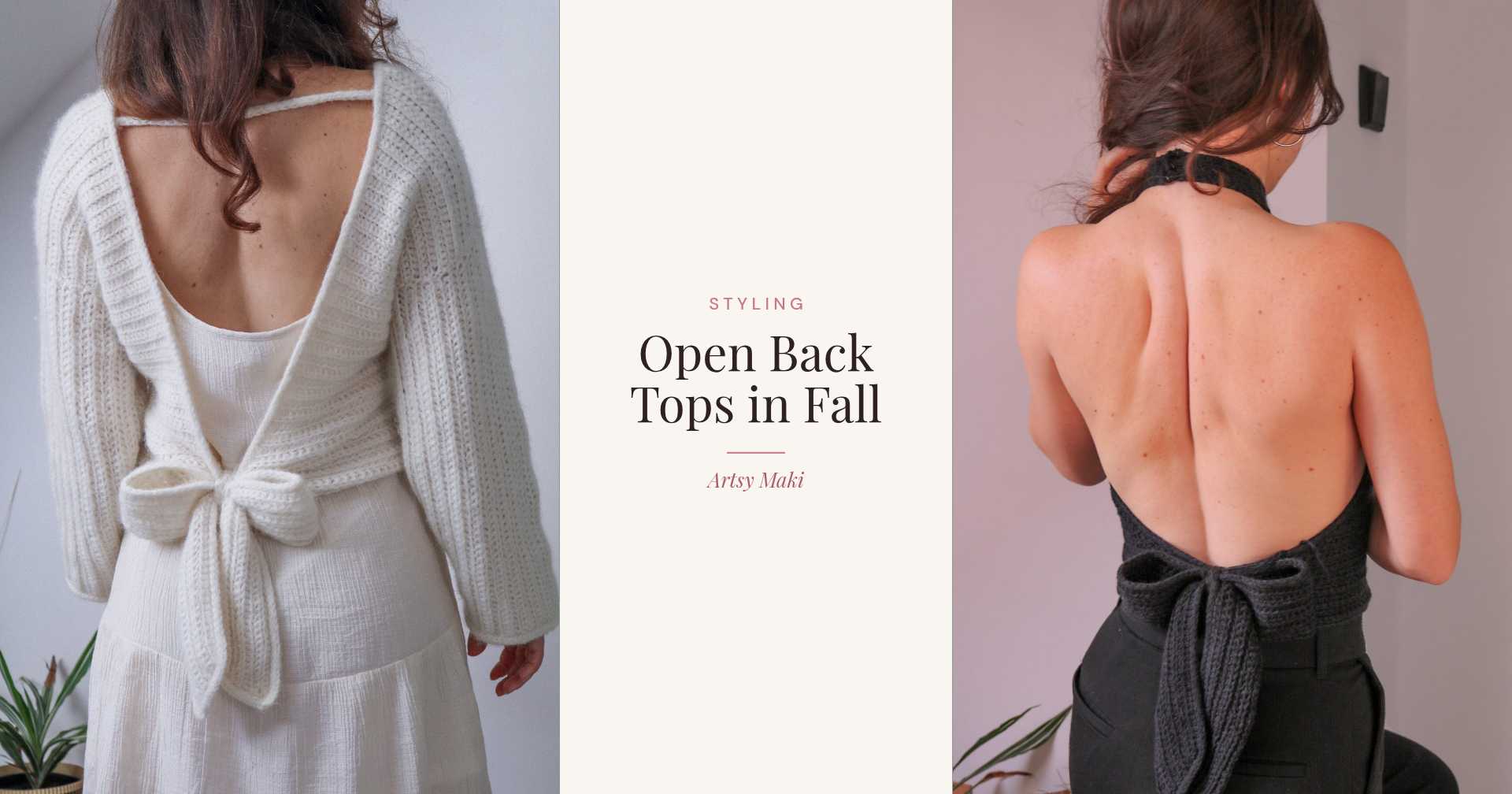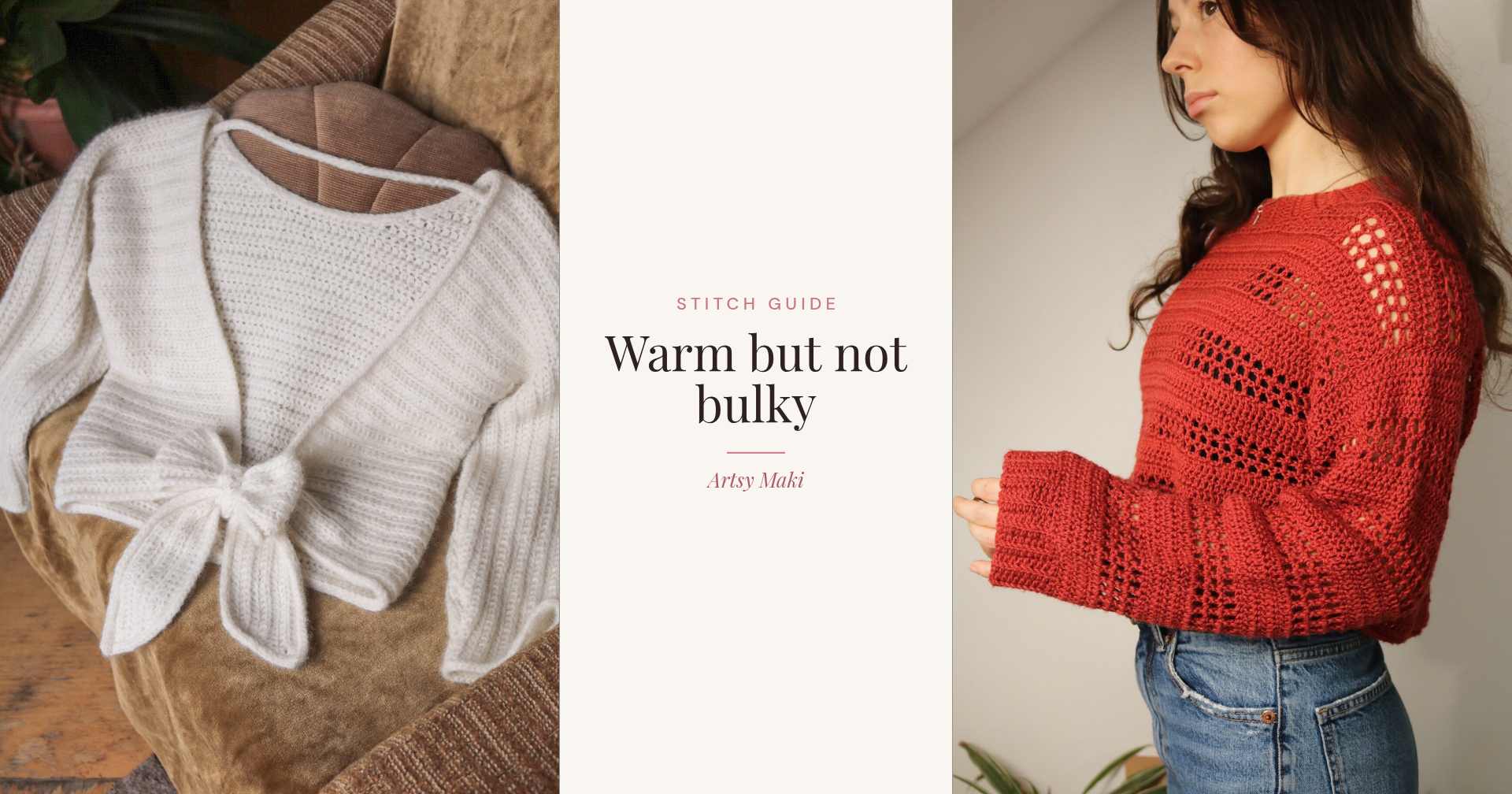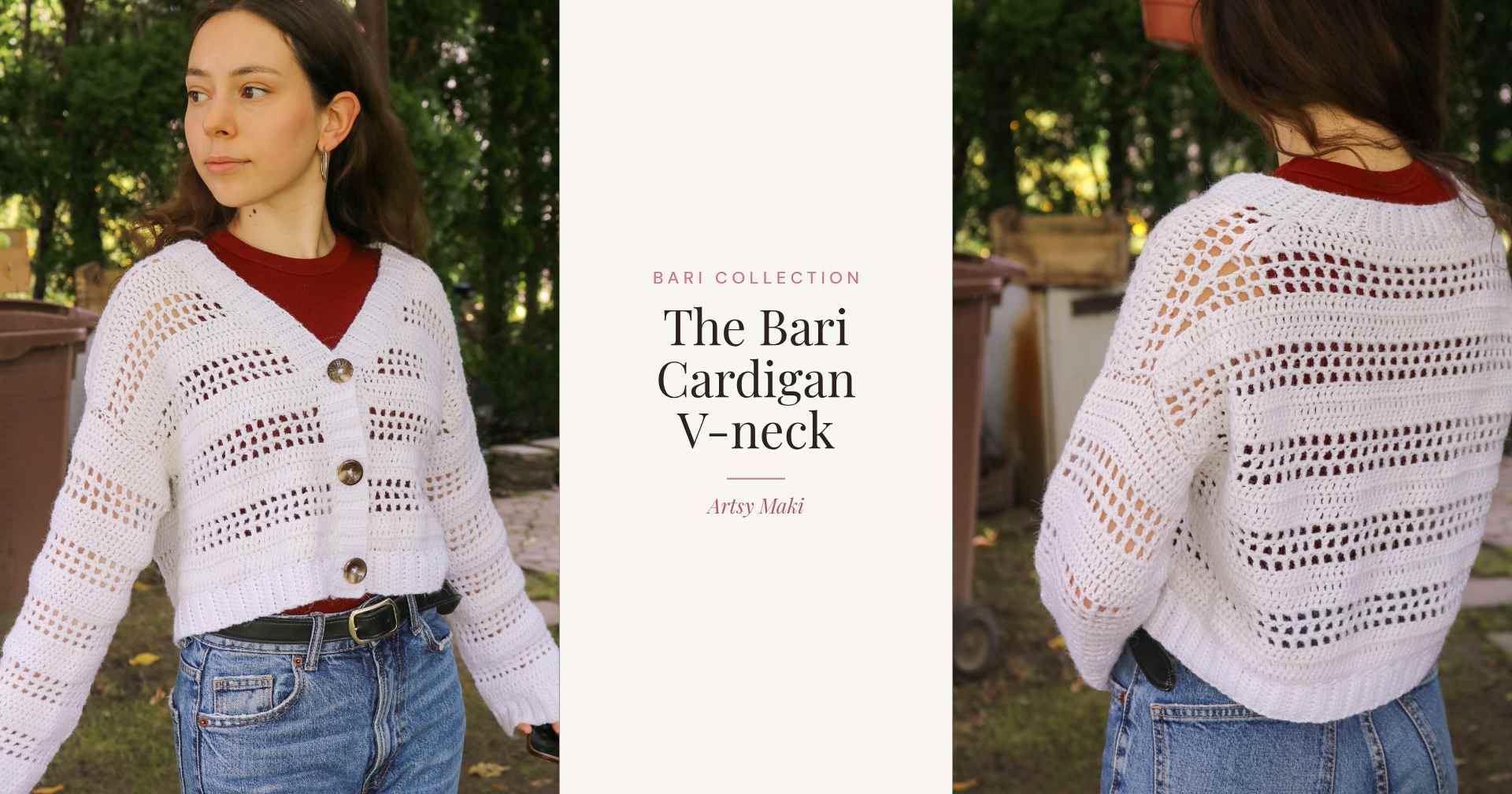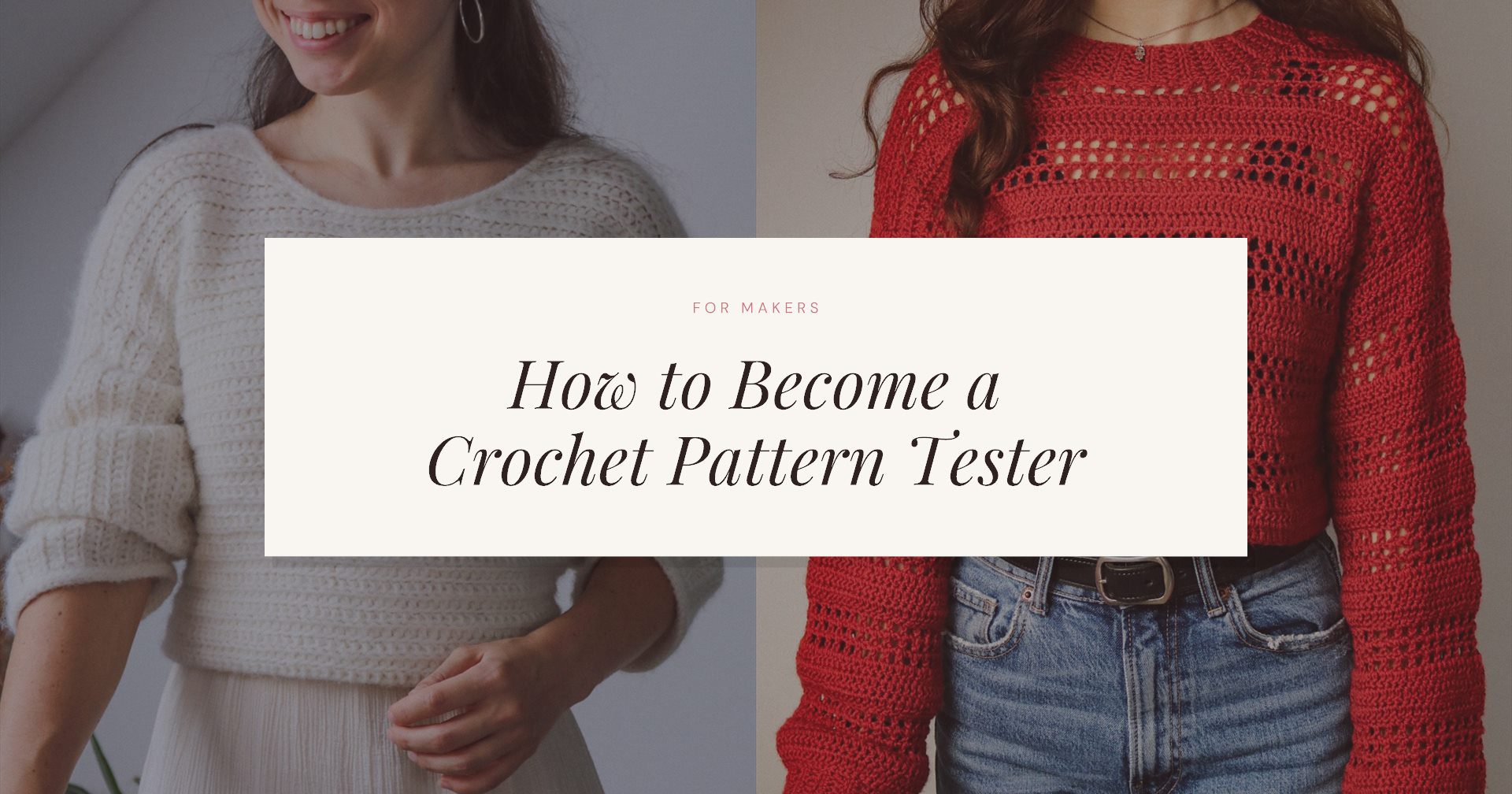
I run tester calls for my own patterns, which means I sit on the other side of the application form. I see who applies, who I say yes to, and who I quietly hope applies again next time. Almost none of it is about how good a crocheter you are.
That surprises people. Testing is not a reward for being advanced, and designers are not looking for the most impressive maker in the comments. We are looking for someone who will finish on time, tell us the truth, and send back a photo we can use. If you can do those three things, you are already ahead of most applicants.
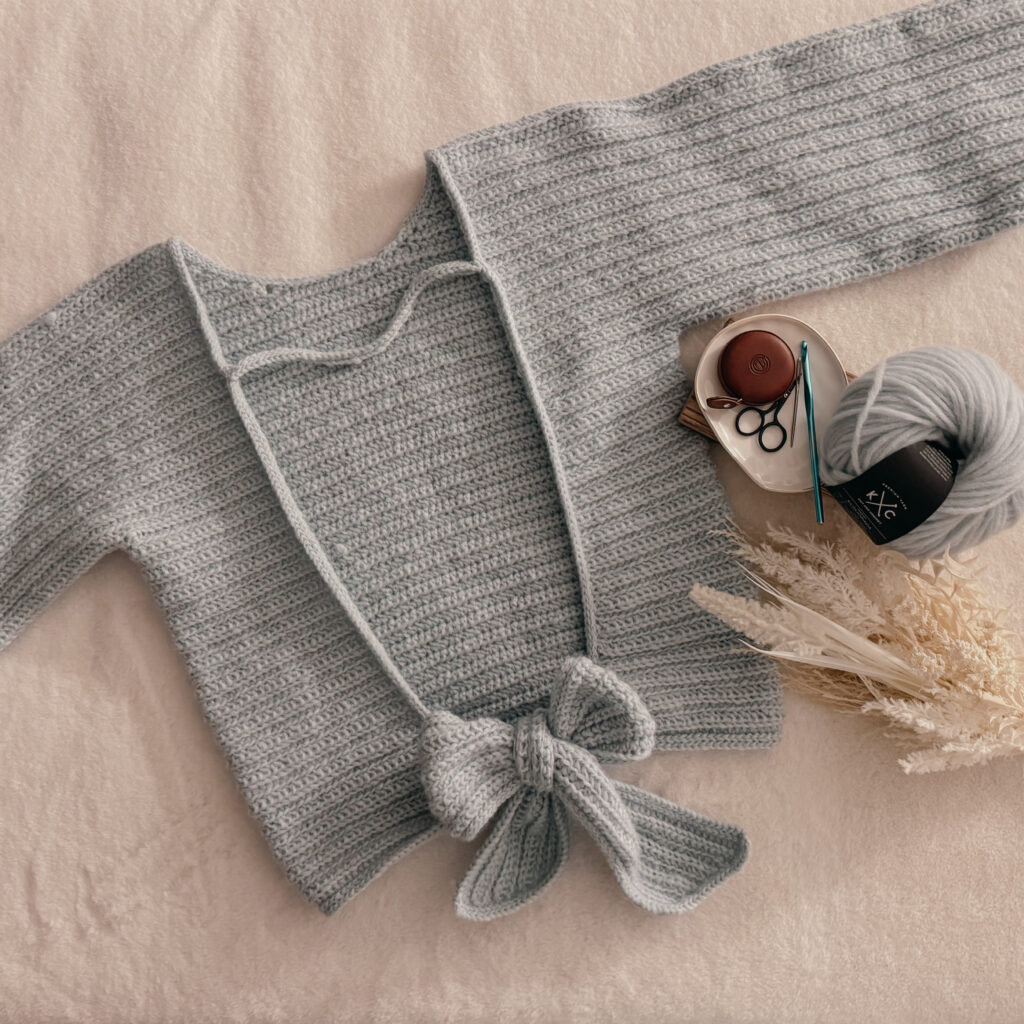
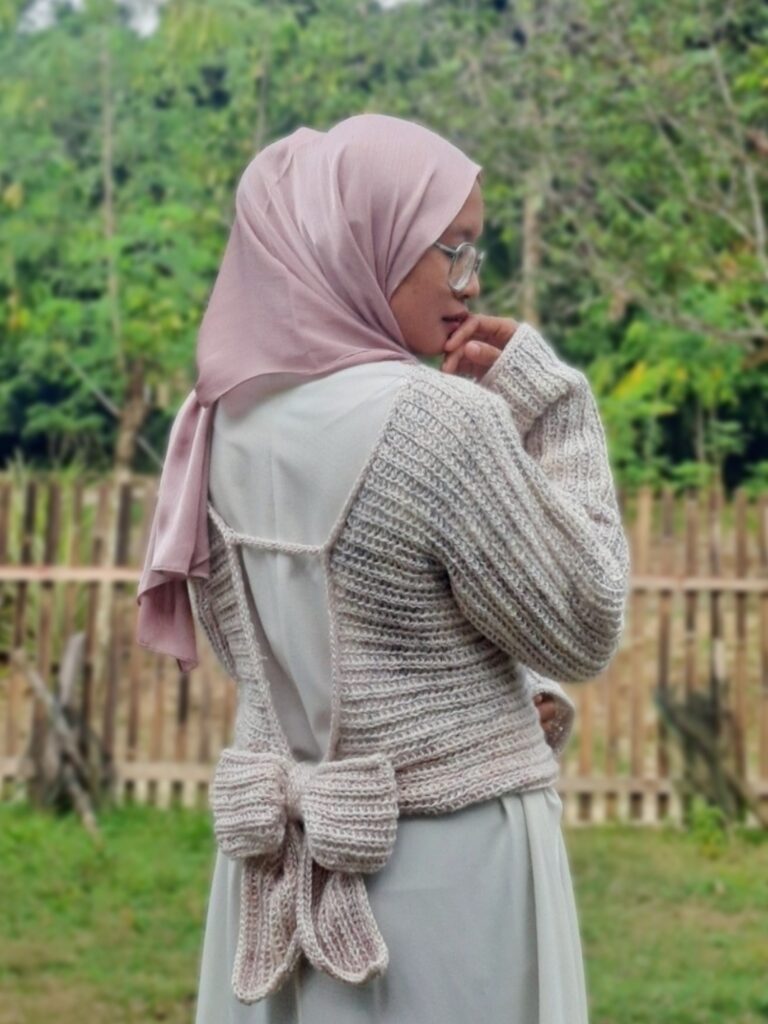
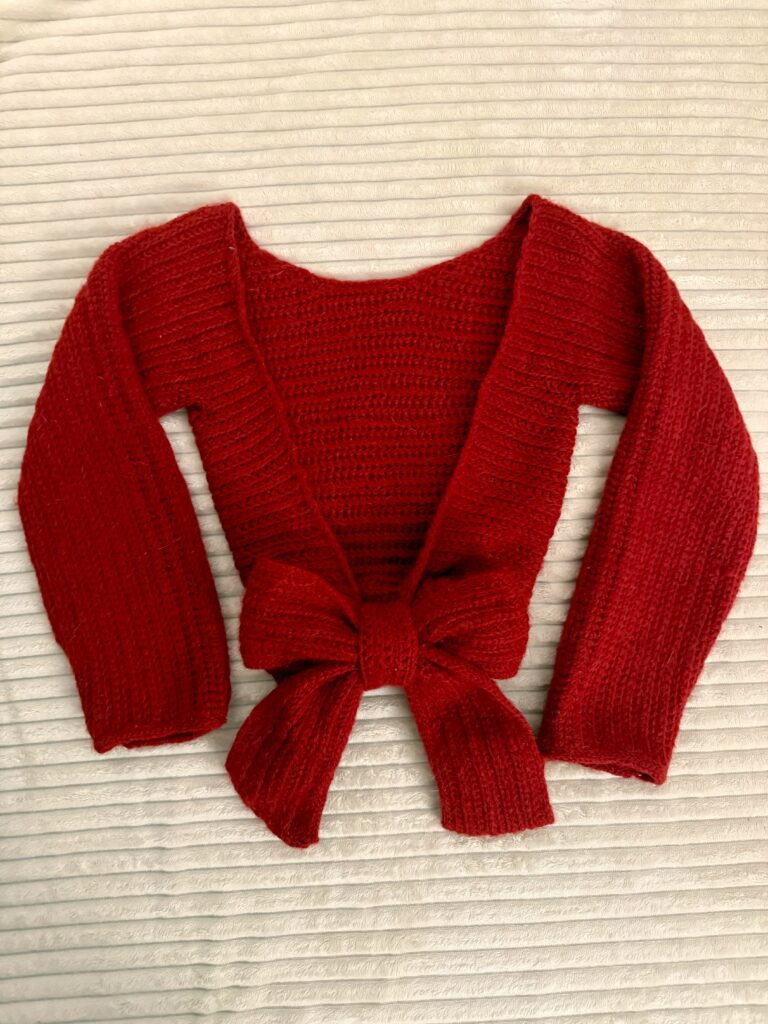
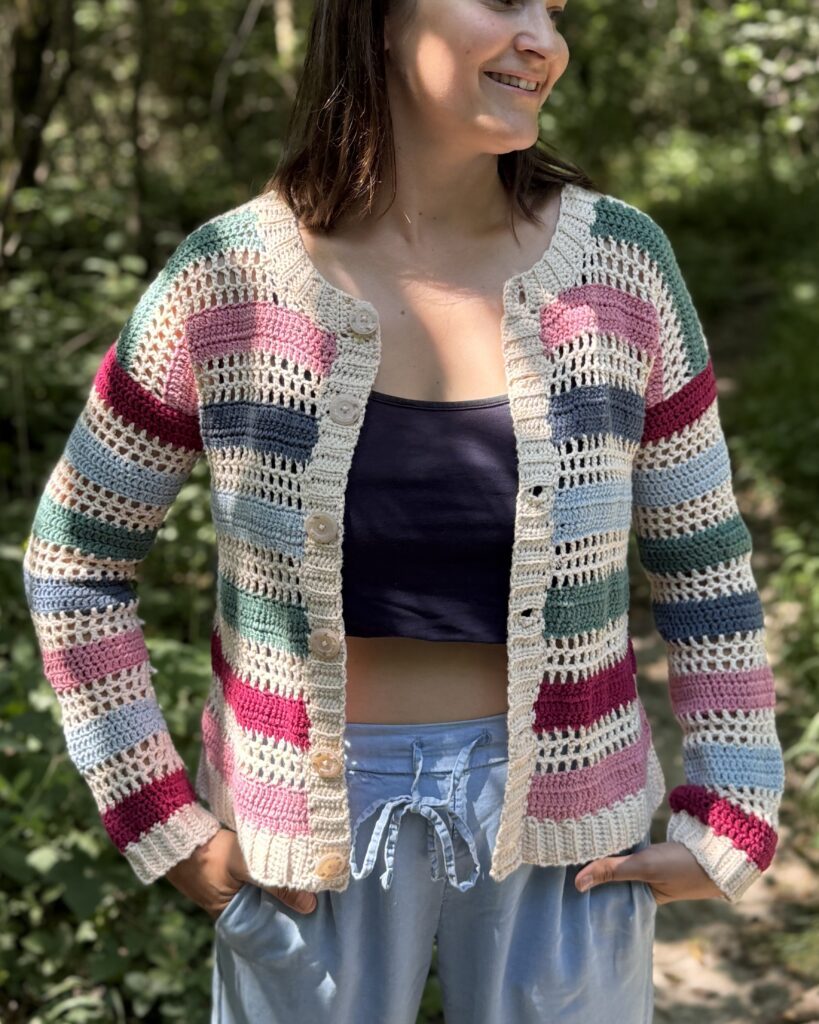
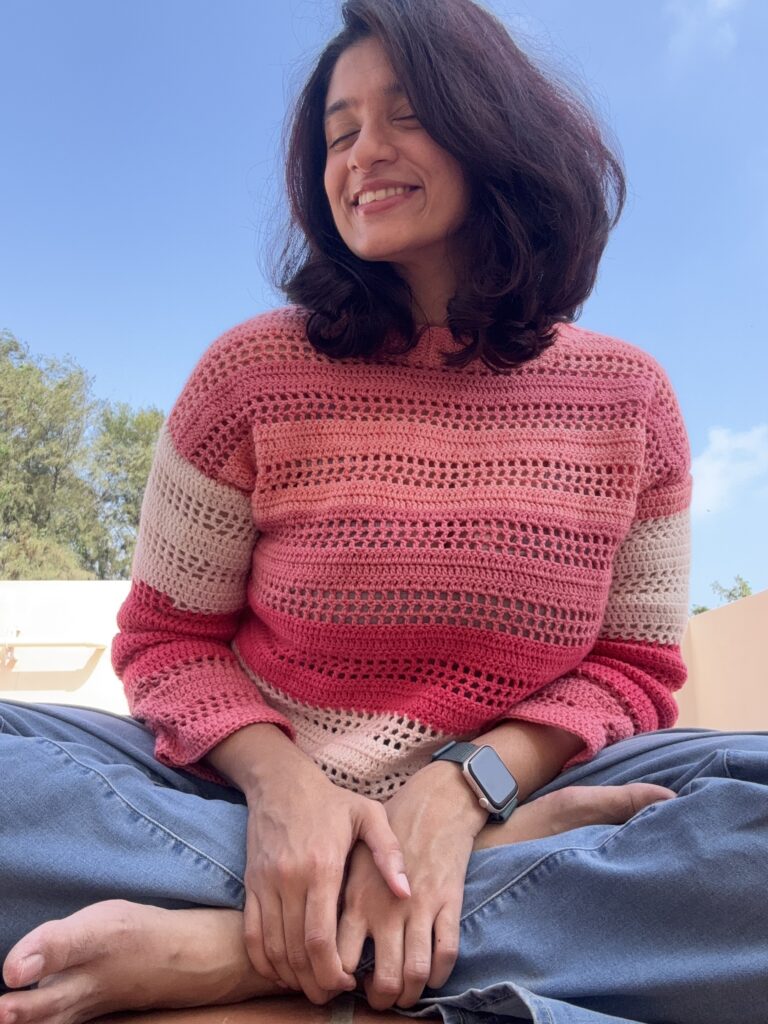
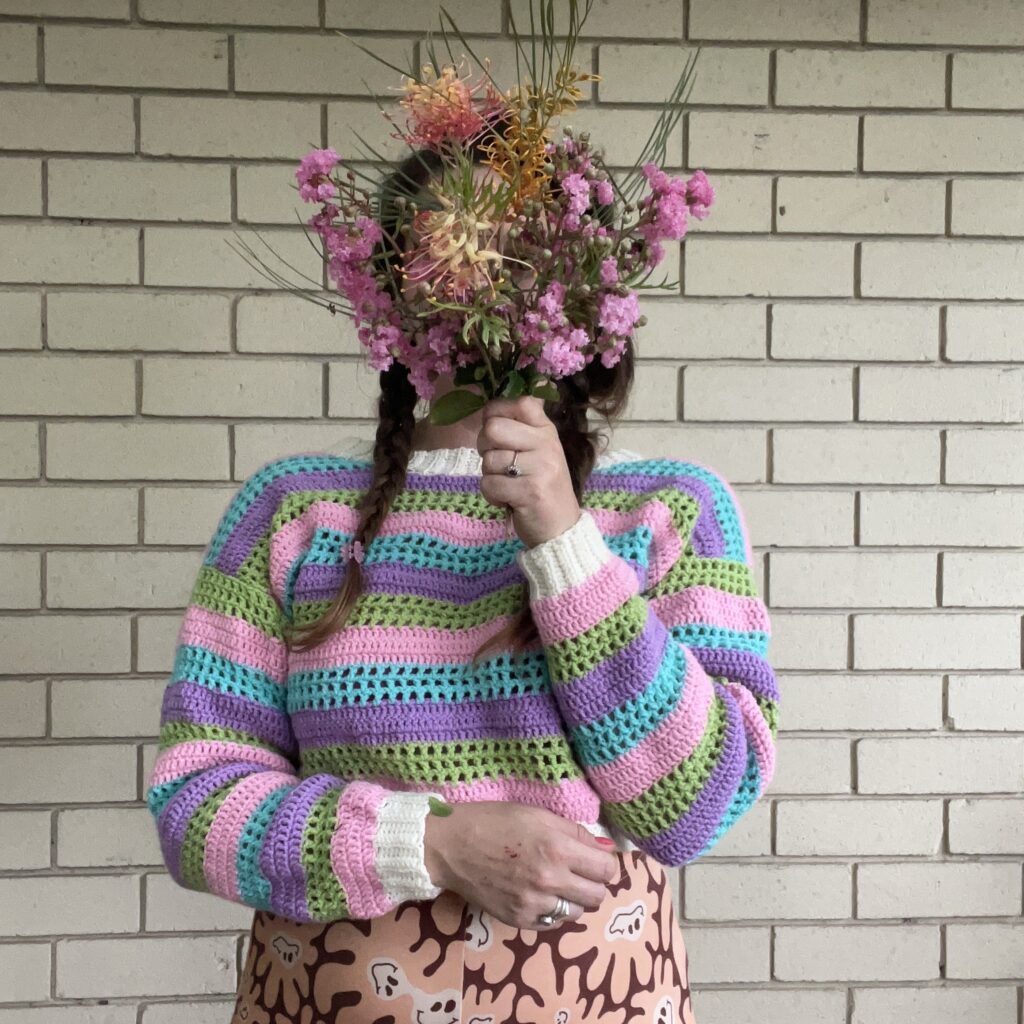
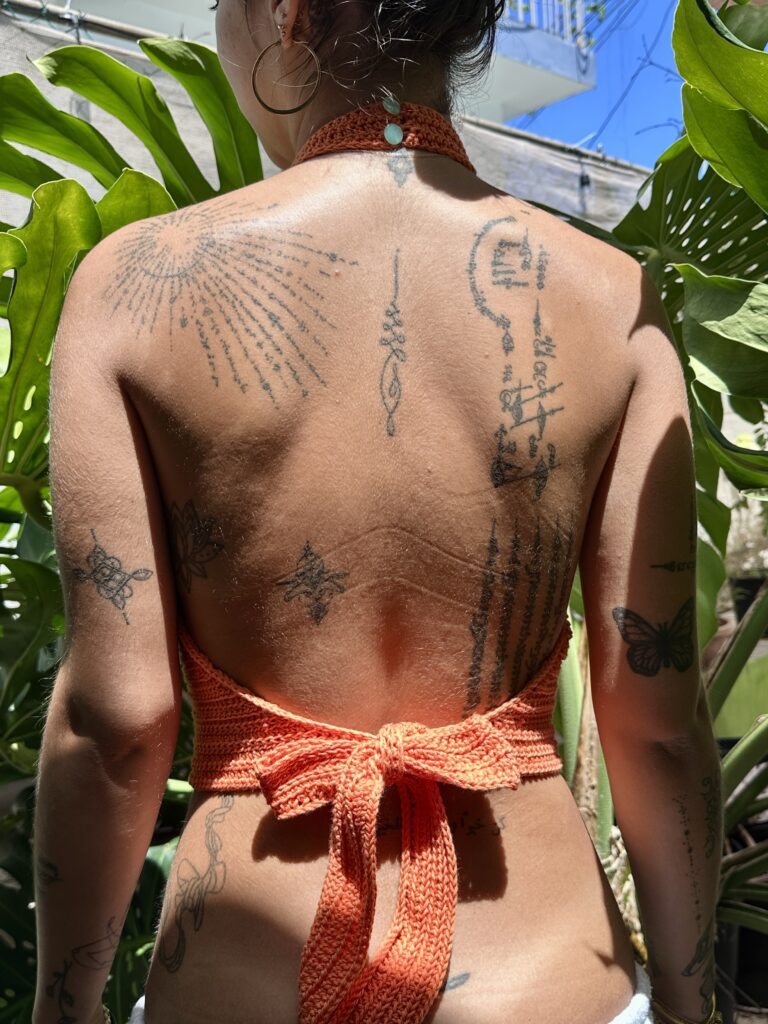
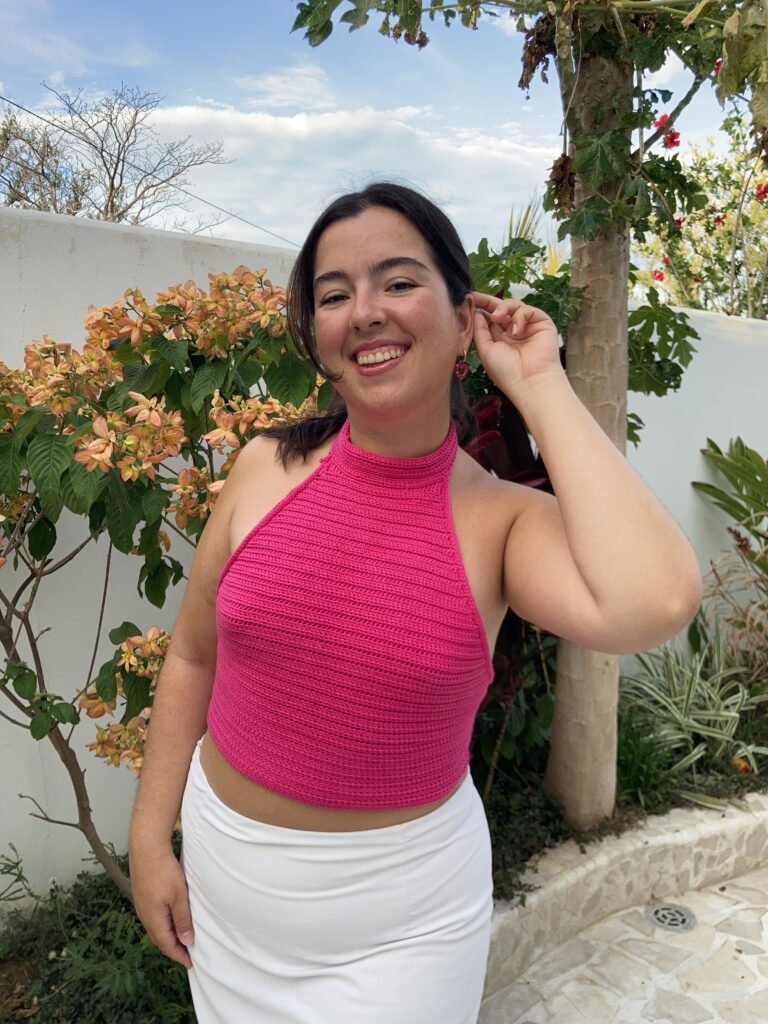
Here are seventeen things that will get you picked, roughly in the order you need them. I am also adding some of my favorite tester makes!
The short version
- You need photos of finished work, in daylight, of the kind of thing you want to test.
- Put photos somewhere a designer can look. Instagram is easiest, Ravelry is the minimum.
- Be a familiar name designers before the call goes out, not just after.
- Apply fast, ask a real question, and make it obvious you want it.
- Never lie about your size. It is the fastest way to never be picked again.
- Being asked back is the goal.
What a crochet pattern tester actually does
A pattern tester makes a design before it goes on sale, using the unreleased pattern, and reports back on anything that is wrong, unclear or missing. You are checking that the instructions work for someone who is not the person who wrote them, which is something a designer physically cannot do for their own pattern.
Testing usually means: you get the draft pattern, you have a set window to make it, you flag errors and confusing bits as you go, and at the end you send photos. Most tests run in a group chat so everyone can see the questions being asked. Almost all testing is unpaid, and you supply your own yarn. What you get is the finished pattern, the finished item, and a working relationship with a designer.
Test for Artsy Maki
Join the tester list and the calls come to you by email, with photos, sizes, yarn and the timeline. Apply to the ones that suit you and ignore the rest.
Before you apply to anything
1. Know what you are signing up for
Read a few tester calls before you apply to one. Look at the timeline, the yarn requirement and what the designer expects back. A three week window on a full sweater is a real commitment, and it is much better to work that out now than halfway through.
2. Finish a few projects first if you are brand new
You do not need to be advanced. You do need something behind you. A designer is trusting you with an unreleased pattern and a deadline, and they have no way to judge that except by what you have already made.
If you are truly at the start, make three or four things properly, photograph them, and apply after that. It costs you a few weeks and it changes your application completely.
3. Make the kind of thing you want to test
This one is simple. If you want to test amigurumi, your photos should be toys. If you want to test garments, your photos should be garments on a body. A designer releasing a sweater is looking for evidence that you can make a sweater.
Garments are the clearest case, because fit and sizing are the whole point of the test. Showing that you can follow a graded pattern and end up with something that fits you matters more than anything else you can show.
4. Learn to take one decent photo in daylight
You do not need a camera or a studio. You need a window and the middle of the day.
Stand facing a window with the light on your work or go outside, keep the background plain, and turn the ceiling light off so the colours do not go yellow. Photograph the item on a person if it is meant to be worn. That is genuinely most of it. Designers are not judging photography, they are checking whether the photo you send back at the end will be something they can share.
5. Put the photos somewhere a designer can find them
An application with no Instagram attached is very hard to say yes to. When I read applications, IG is the first thing I click.
Instagram is the easiest option. Make an account for your crochet, and get at least ten good photos on it before you start applying. It does not need followers. It needs to show finished work.
If you would rather not be on Instagram, that is fine, but you still need something. Ravelry is also good. A project page with photos of what you have made does the same job, and plenty of designers prefer it.
How to get on a designer’s radar
6. Show up before there is a call
Follow designers whose work you actually like, and interact with their posts when there is nothing on offer. Comment properly, ask about the yarn, say which colourway you like. Designers are small businesses, usually one person, and we absolutely notice the same names turning up. By the time a tester call goes out, you are not a stranger in a list of forty applicants. You are someone we recognise.
7. Make one of their patterns and tag them
It is the same idea. Buy or download one of their existing patterns, make it, photograph it well, and post it with them tagged.
You have now shown, without asking for anything, that you can follow their particular way of writing a pattern, you like what they made and you can take good photos.
8. Work out what makes you unusually useful, and say so
Everyone applying can crochet. Far fewer bring something extra, and the ones who mention it stand out instantly.
Real examples from my own applications: someone who had access to a photo studio and could send back professional images. An English teacher who said she was good at spotting typos and awkward sentences, which for a designer writing in a second language is enormously valuable. Both of them told me, in one line, and both got picked. Someone also offered to translate the pattern into their native language. They did not technically test it and just got the finished pattern.
Yours might be that you crochet very fast, or that you speak the designer’s language, or that you are left handed and can flag where the instructions assume otherwise, or that you have a body shape that is underrepresented in the sample photos. Write the line. It costs nothing.
Applying to a tester call
9. Read the call properly and follow it exactly
If it says apply by form, use the form. If it asks for a specific yarn weight, confirm you have it.
An application that ignores the instructions tells a designer exactly how the test will go, because a pattern is a long set of instructions and following them is the job.
10. Be quick, and be obvious about wanting it
Spots fill fast, often within a day. Turn on notifications for the designers you want to test for, and join their tester email list if they have one, because calls frequently go to that list before they go public.
Then make your enthusiasm visible. Comment on the call, share it, send a message. There is a real difference between an application that reads like a form filled in and one where the designer can tell you actually want this piece. Say what you like about the design. Say what colour you would make.
11. Ask a real question
The single best thing you can send a designer is a question that shows you have already thought about making it. Something like whether a particular yarn you own would work, or whether the length is adjustable, or how the sizing runs.
A question does three things at once. It shows you are serious, it shows you understand the project, and it starts an actual conversation instead of leaving you as a row in a spreadsheet. “I would love to test” is a sentence I read forty times. A good question I remember.
12. Tell the truth about your size
For graded garments, designers need every size covered, and that changes your odds enormously.
S, M and L are by far the most competitive. Half the applicants want them. The further you are from the middle, the easier it gets, and if you wear XXS or 4X or 5X you are often close to guaranteed a spot, because designers struggle to fill those sizes.
Which brings me to the one thing in this post I will ask you not to do. Please do not put down a size you do not wear. The whole purpose of grading is finding out whether size 4X actually fits a person who wears 4X. A tester who claims a size to get a spot has made the test worthless for that size, and the designer finds out at the photo stage. It is the quickest way to never be invited to anything again.
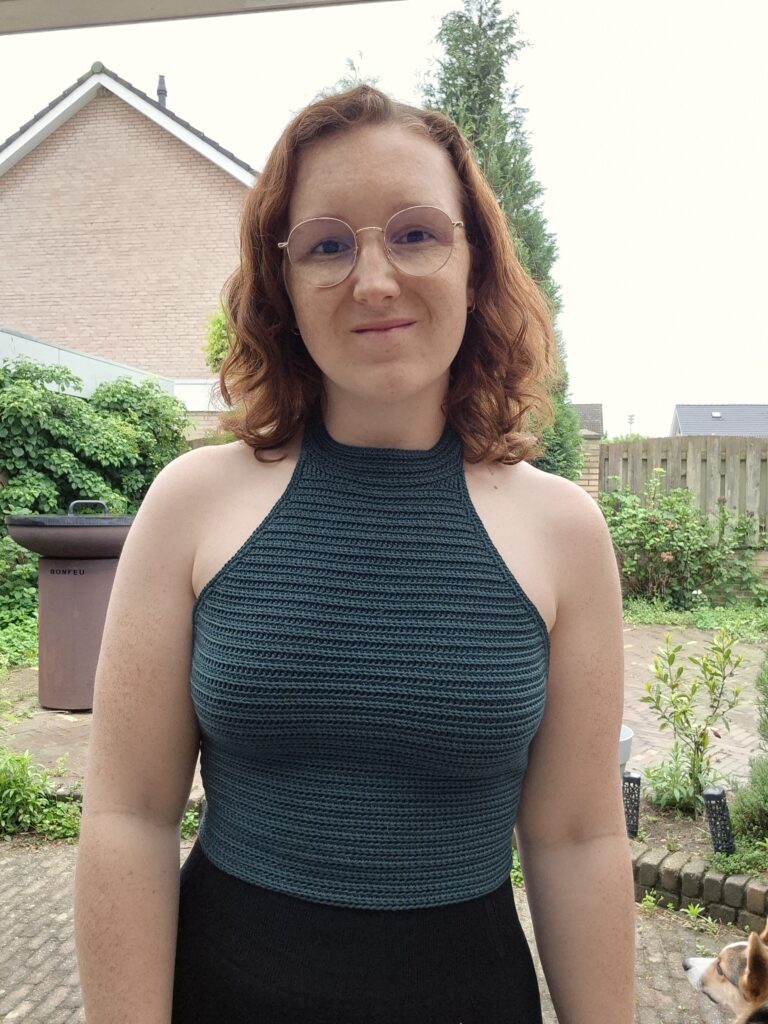
How to be a tester who gets asked back
Getting into one test is the hard part exactly once. After that, most designers go back to the same people, and a lot of tester spots never reach a public call at all. This is where you turn one yes into a standing invitation.
13. Only say yes to a deadline you can actually meet
The deadline is not decorative. It is usually tied to a release date, sometimes to a season, and one late tester holds up the whole schedule.
Look honestly at the next few weeks before you apply. If it is a bad month, skip this one and catch the next. A designer would far rather have you say no now than disappear in week three.
14. If you fall behind, say so immediately
Life happens and every designer knows it. What we cannot work around is silence.
Tell me on day ten that you are running late and I will move things, extend your window, or reassign the size without any fuss at all. Tell me nothing until the deadline passes and I have a gap I cannot fill. Testers who communicate get asked back even when they are late. Testers who vanish do not.
15. Give feedback a designer can act on
“It was great, thank you” is lovely to receive and completely useless. So is “second part was confusing” with nothing after it.
Useful feedback is specific and located. Give the round or row number, say what you expected, say what you got, and say what you did about it. Something like: round 12, I ended with 46 stitches instead of 48, I think the increase at the marker is counted twice. That is a report a designer can fix in five minutes.
- Note things as you go rather than reconstructing them at the end.
- Flag the sentence you had to read three times, even if you worked it out. That is the most valuable thing you can report, because you are the last person who will read it with fresh eyes.
- Say what worked too. It tells the designer what not to change.
- Include your gauge and the yarn you used, so your comments can be read in context.
16. Keep it to yourself until release day
The pattern is unreleased and unpublished work. Do not share the file, do not send it to a friend, and do not post photos of the finished item before the date the designer gives you if they ask you to.
Work in progress shots are usually welcome, but ask first and check what you are allowed to show. Getting this wrong once ends the relationship, and it is entirely avoidable.
17. Finish with a photo the designer can use
The last thing you send is the thing that gets remembered, because it is the thing that might end up on the pattern page.
Same rules as before: daylight, plain background, worn if it is wearable. Send a few, send them full size rather than compressed through a chat app. A tester who reliably sends good photos is worth their weight, and I will invite that person to everything.
Maki’s tip
Apply to smaller pieces first. Everyone chases the sweater tests, so a hat, a bag or a pair of mitts has a fraction of the competition and takes a weekend instead of a month. Do two of those well and you are no longer applying cold. You are a tester the designer already trusts, which is exactly who gets offered the sweater next time.
Questions I get asked
Do pattern testers get paid?
Usually not. The standard arrangement is that you supply your own yarn and keep the finished item and the final pattern. Some designers offer a shop credit or a free pattern of your choice as well. Treat testing as something you do because you enjoy it and want the connection, not as work.
Do I need to be an advanced crocheter?
No, and for beginner-friendly patterns a less experienced tester is often more useful, because you will notice the steps an experienced maker fills in without thinking. What you do need is to be able to finish, and to be comfortable saying when something is unclear.
Do I need a big Instagram following?
No. I have never once looked at a follower count. I look at whether there are photos of finished work and whether they are the kind of thing I am about to release. Ten good photos on an account with fifty followers beats a thousand followers and no finished projects.
How long does a crochet pattern test take?
Typically two to six weeks depending on the size of the project. Accessories sit at the short end, garments at the long end. The call should tell you before you apply, and if it does not, that is a fair thing to ask.
Where do designers post tester calls?
Instagram is the most common, usually as a post or a story. I also recomened following a page like this one. Many designers also keep an email tester list and send the call there first, which is the easiest way to get in early. Ravelry, Ribblr and Facebook groups dedicated to tester calls are worth following too.
What if I find a mistake in the pattern?
That is the job, and it is a good day for both of us. Report it clearly with the row or round number and carry on. You will never offend a designer by finding an error before their customers do. That is precisely what you are there for.
What if I cannot finish?
Say so as early as you can, and be honest about why. It happens, nobody will be angry, and how you handle it matters far more than the fact of it. Bowing out at the halfway point with a message costs you nothing. Going silent costs you future invitations.
Can I test if I do not speak English as a first language?
Yes, and it can be an advantage. I write in my second language myself. A tester who reads carefully in a second language often catches exactly the sentences that will trip other people up.
One last thing
Do not be discouraged by a no. Most of the time it is not about you at all. Your size was already covered, or someone applied earlier. Apply to the next one.
And if you would like to test for me, my tester list is the place to start. I email each call with photos, sizes, yarn and the timeline, so you can decide whether it suits you before you commit to anything. No experience needed, and small pieces will come up often in next few months!
Test for Artsy Maki
Join the tester list and the calls come to you by email, with photos, sizes, yarn and the timeline. Apply to the ones that suit you and ignore the rest.