Every year around now I start a mental list of what I want to make as gifts, and every year I am too optimistic about how much time I actually have. A sweater sounds completely reasonable in September. It sounds a lot less reasonable once you count the weeks properly.
So here is the honest version, the one I wish I did every year before I picked a project. Work out roughly how many hours the thing takes, count backward from the day it has to be finished, and you get a real start date instead of a feeling. Below is my rough hour count for the projects people actually make at Christmas, what yarn weight does to those numbers, and the finishing time almost everyone forgets to include.
If you only read one box
The short version
- Small accessories are 1 to 4 hours, so they can genuinely start in the week before Christmas.
- A hat or a pair of mittens is 4 to 8 hours. A scarf is 10 to 15.
- An adult sweater is 30 to 50 hours, which at an hour a day means starting in early November.
- A throw blanket is 50 to 80 hours. If it is not already on your hook, it is a 2027 gift.
- Going up a yarn weight roughly halves the hours. It is the fastest fix there is.
- Add a few days for weaving in ends, blocking and drying. Blocking cannot be rushed.
How long a crochet Christmas gift takes
In my house presents are opened on the evening of the 24th, not the morning of the 25th, so that is the date I count back from. Move everything a day later if yours is the 25th, it will not change which category a project falls into.
Everything below assumes DK weight yarn on about a 4 mm hook, an average adult size and a straightforward pattern, because that is the middle of the road that most gift projects sit in. The start dates assume roughly an hour of crochet a day, which I picked because the arithmetic stays visible: if you get two hours a day, halve the gap. Save the image if it is useful.
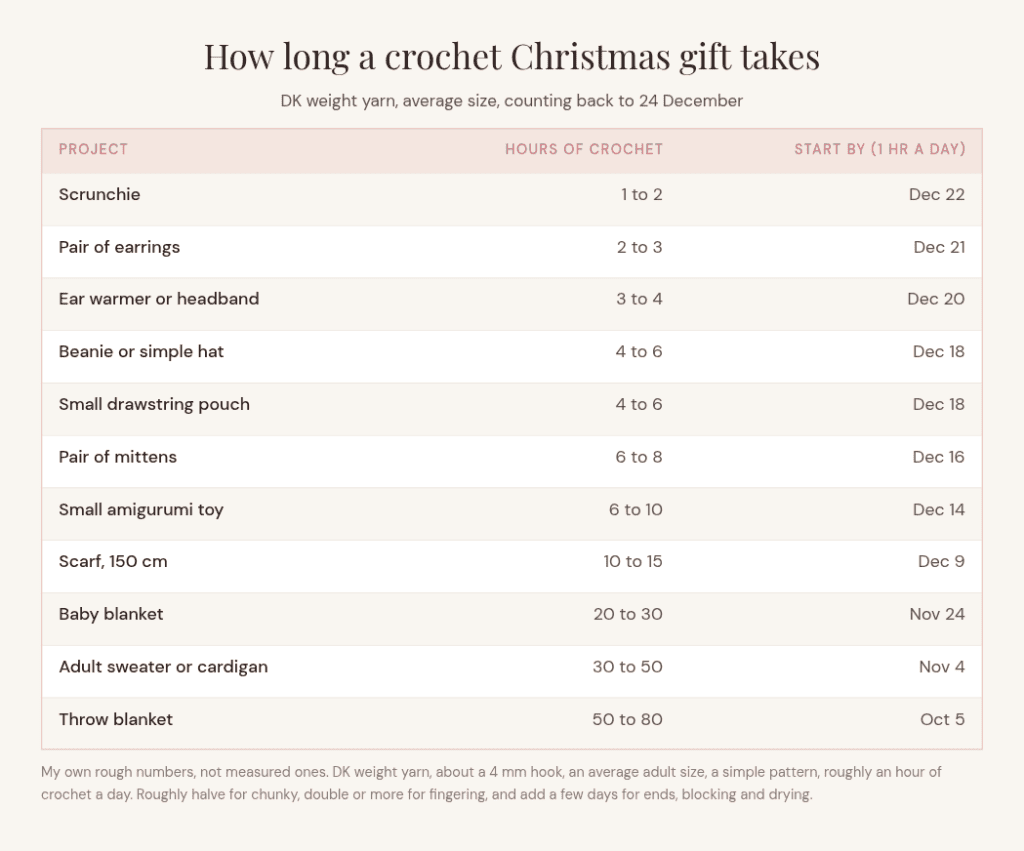
| Project | Hours of crochet | Start by (1 hr a day) |
|---|---|---|
| Scrunchie | 1 to 2 | Dec 22 |
| Pair of earrings | 2 to 3 | Dec 21 |
| Ear warmer or headband | 3 to 4 | Dec 20 |
| Beanie or simple hat | 4 to 6 | Dec 18 |
| Small drawstring pouch | 4 to 6 | Dec 18 |
| Pair of mittens | 6 to 8 | Dec 16 |
| Small amigurumi toy | 6 to 10 | Dec 14 |
| Scarf, 150 cm | 10 to 15 | Dec 9 |
| Baby blanket | 20 to 30 | Nov 24 |
| Adult sweater or cardigan | 30 to 50 | Nov 4 |
| Throw blanket | 50 to 80 | Oct 5 |
These are estimates from my own making rather than anything I have timed with a stopwatch, and the ranges are wide on purpose. A confident crocheter working a pattern they have made before will land at the bottom of each range. A first attempt at an unfamiliar construction will land at the top, or past it.
What yarn weight does to the timing
The number of stitches in a piece of fabric scales with the square of your gauge. When you switch to a thicker yarn the stitches get wider, but the rows also get shorter, and both savings multiply together. Using the Craft Yarn Council single crochet ranges, a DK sits around 14 stitches to 10 cm and a chunky around 9. That is not a third fewer stitches for the same scarf. It is closer to half.
Go the other way, to a fingering weight at around 26 stitches to 10 cm, and you are looking at roughly three times the stitches of the DK version of exactly the same thing. This is why a fingering weight sweater is a winter project and not a Christmas one.
So, against the hours in the table:
- Chunky or super bulky: roughly half. A chunky hat is genuinely an evening, and a chunky sweater is the only sweater I would start in December.
- Worsted or aran: call it three quarters of the table.
- DK: the table as written.
- Sport: about half again on top.
- Fingering or 4 ply: double at the very least, realistically closer to triple.
- Mohair, held or alone: slower than its weight suggests. The halo makes stitches hard to see and very hard to frog, so mistakes cost more time than they would in a smooth yarn.
If you are short on time and flexible about how the finished thing looks, going up a weight will do more for your deadline than trying to crochet faster ever will.
The other things that move the number
- Stitch height. Double and treble crochet cover ground far faster than single crochet. The same scarf worked in dc instead of sc can be close to half the time, because each row is taller for the same number of stitches.
- Stitch density. Mesh and filet fly. Dense textured stitches like honeycomb, bobbles and post stitch cables are slow, sometimes dramatically so. A textured bag can take twice as long as a plain one the same size.
- Size. A 4XL sweater is a lot more fabric than an XS, and the table assumes something in the middle. If you are making for someone at either end of the range, adjust.
- Motifs and granny squares. Individually quick and deceptively satisfying, but a blanket of fifty squares is fifty sets of ends to weave and a full evening of joining. Count the assembly, not just the squares.
- Colour changes. Every stripe, every colourwork round and every motif colour is another two ends. They are individually tiny and collectively enormous.
- A technique you have never done. Whatever you think learning it will cost, double it, and do not plan to learn it in the last fortnight.
The time nobody counts
Every estimate above is hook time. The reason handmade gifts end up finished at midnight is almost never the crochet itself, it is everything that happens after the last stitch.
- Weaving in ends. 15 mins on a plain hat, a whole evening on anything striped.
- Blocking and drying. This is the one that catches people, because it is the only step you genuinely cannot rush. A wet blocked wool piece wants 24 to 48 hours to dry, and longer in a cold flat in December. Build it into the deadline rather than discovering it on the 23rd.
- Seaming and assembly. Anything made in pieces needs putting together, and seaming is slower and fiddlier than the crochet was.
- Hardware and findings. Buttons, zips, bag linings, earring hooks and jump rings all need to exist before you need them. Order them at the same time as the yarn.
- The yarn arriving at all. December delivery is slower than the rest of the year, and running out mid project means waiting for a second parcel and hoping for the same dye lot. Buy the full amount up front.
- Posting it. If the gift has to travel, your real deadline is the last posting date, not the 24th, and that is usually a good week and a half earlier.
- Making more than one. Five scrunchies is not one scrunchie. Multiply before you promise anything to anybody.
If you are already counting in days
Do not start a sweater in December. I know how tempting it is to believe you can do it in three weekends. Pick from the top of the table instead, and let the gift be small and finished rather than ambitious and still on the hook on the 24th.
If you are down to a handful of days, the useful moves are: go up a yarn weight, pick a taller stitch, choose something that does not need blocking, and choose something with one colour in it. A plain chunky hat ticks all four and looks deliberate rather than rushed. I would rather hand someone something small and complete than half a sleeve with a promise attached.
Free Christmas Gifts Crochet Patterns
If you want somewhere to start, these are the ones from my own shop and blog that I actually make as gifts, roughly in order of how long they take. The times are my own approximations in the same spirit as the table.
An evening or an afternoon
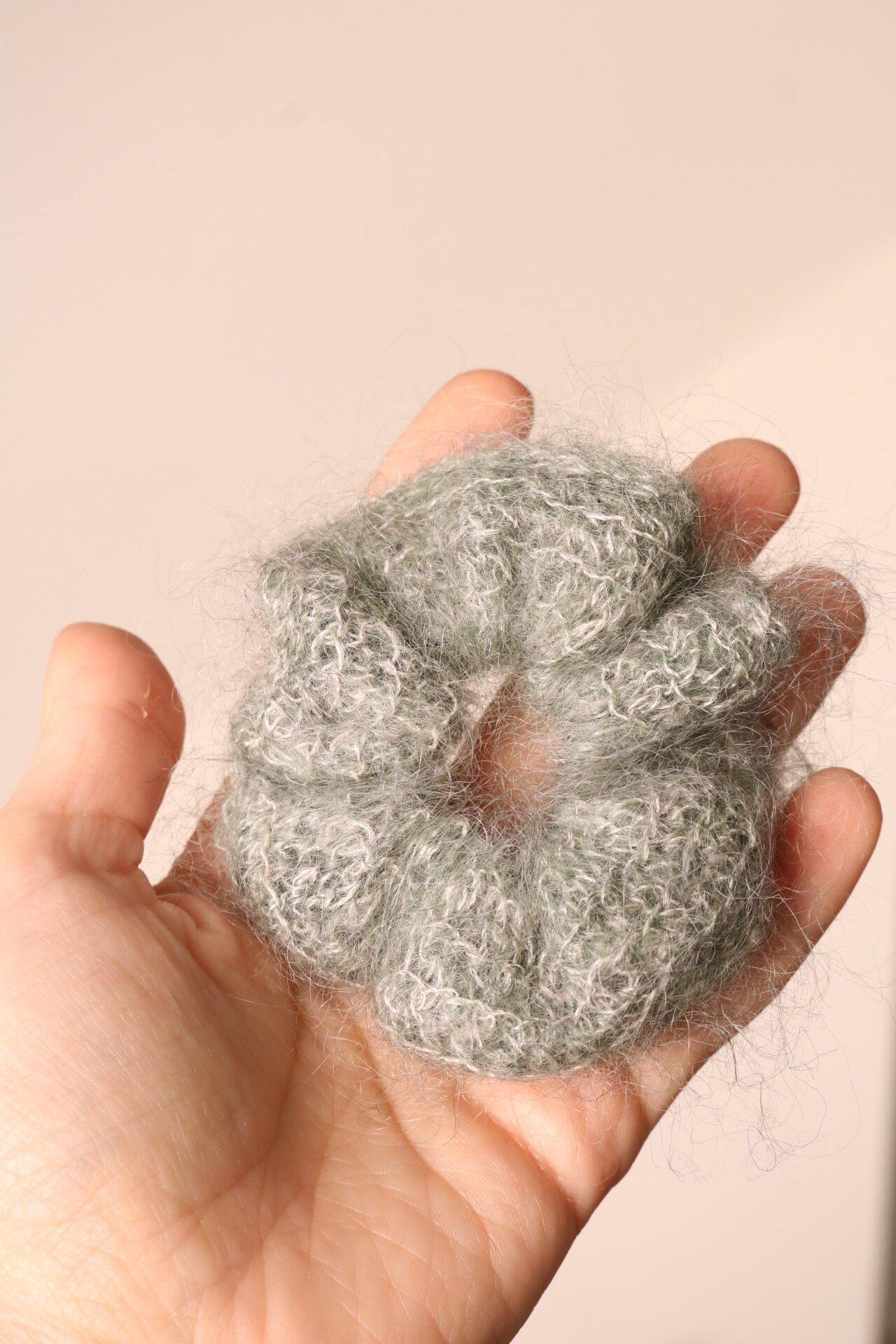
- Mohair Scrunchie, an afternoon. It only needs 10 to 15 grams of mohair, which is exactly the amount always left over from something else, and the halo hides an uneven stitch better than any smooth yarn would. There is a printable PDF version too.
- Garter Bow, about an evening. A bow is the most flexible small gift there is: on a hair clip, on a bag, or tied onto the outside of someone’s present. The Crochet Bow pattern is the paid version with more sizes.
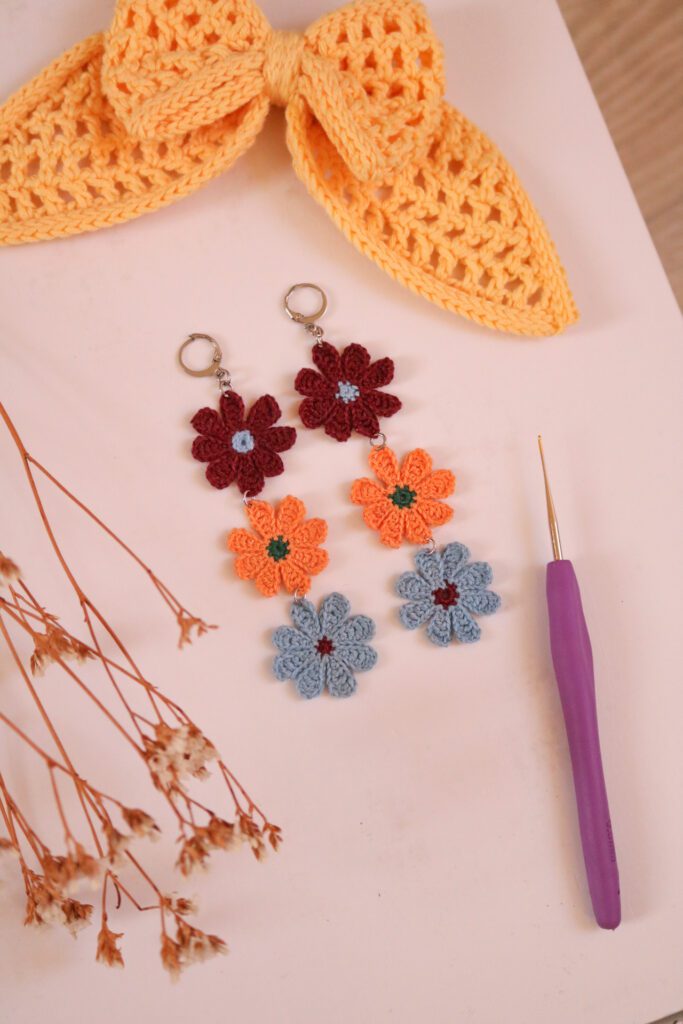
- Daisy Earrings, an evening to an afternoon. Six tiny flowers, three per earring, in fine cotton thread on a 0.5 mm hook. They read as intricate and are not: every flower is a magic ring and eight short petal rows. Also a printable PDF. Worth knowing that these want blocking, so leave them a night before wrapping.
- Claire Earwarmer, an evening or two. The ribbed texture from the Claire collection in its smallest and fastest form, and a good pick for someone who does not wear hats.
A weekend
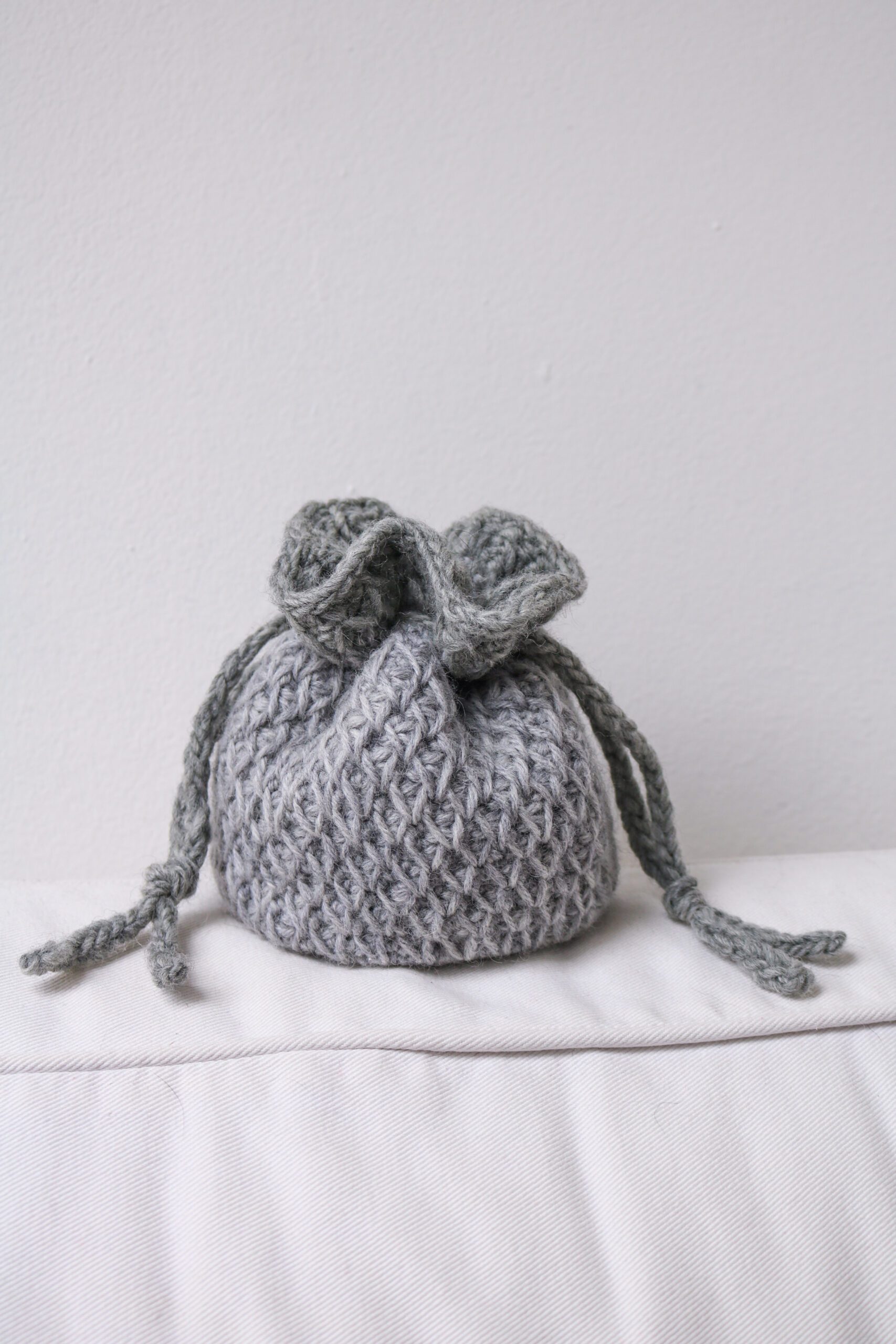
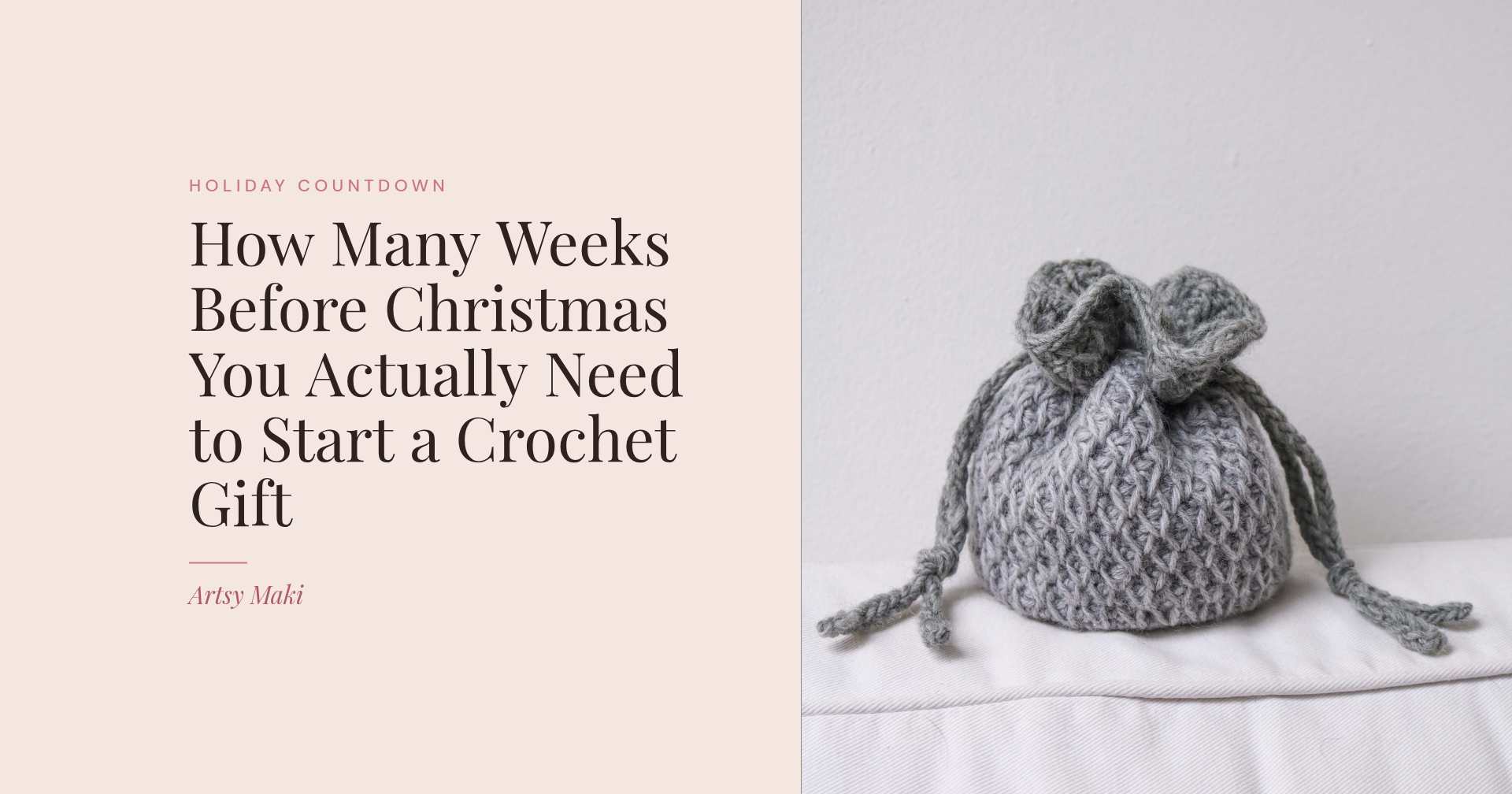
- Honey Pouch, a weekend for the smallest size. Worked seamlessly in the round in honeycomb stitch, from a circular base up through the sides, with rounds worked in to carry the drawstring. It comes in three sizes and takes any yarn weight you own, so it is a genuine stash user. The smallest size needs approximately 150 metres. Note that honeycomb is one of the dense stitches I warned about above, so it is slower than a plain pouch the same size, and it is worth it. There is a printable PDF with all three sizes.
- Hexagon Bucket Hat, a few evenings across a week. Seven African flower hexagons joined into a band with the crown and brim worked straight off the top. It is sport weight on a 2.5 mm hook, so it is slower than the beanie row in the table, and it is the best scrap yarn project I have designed.
If you started in good time
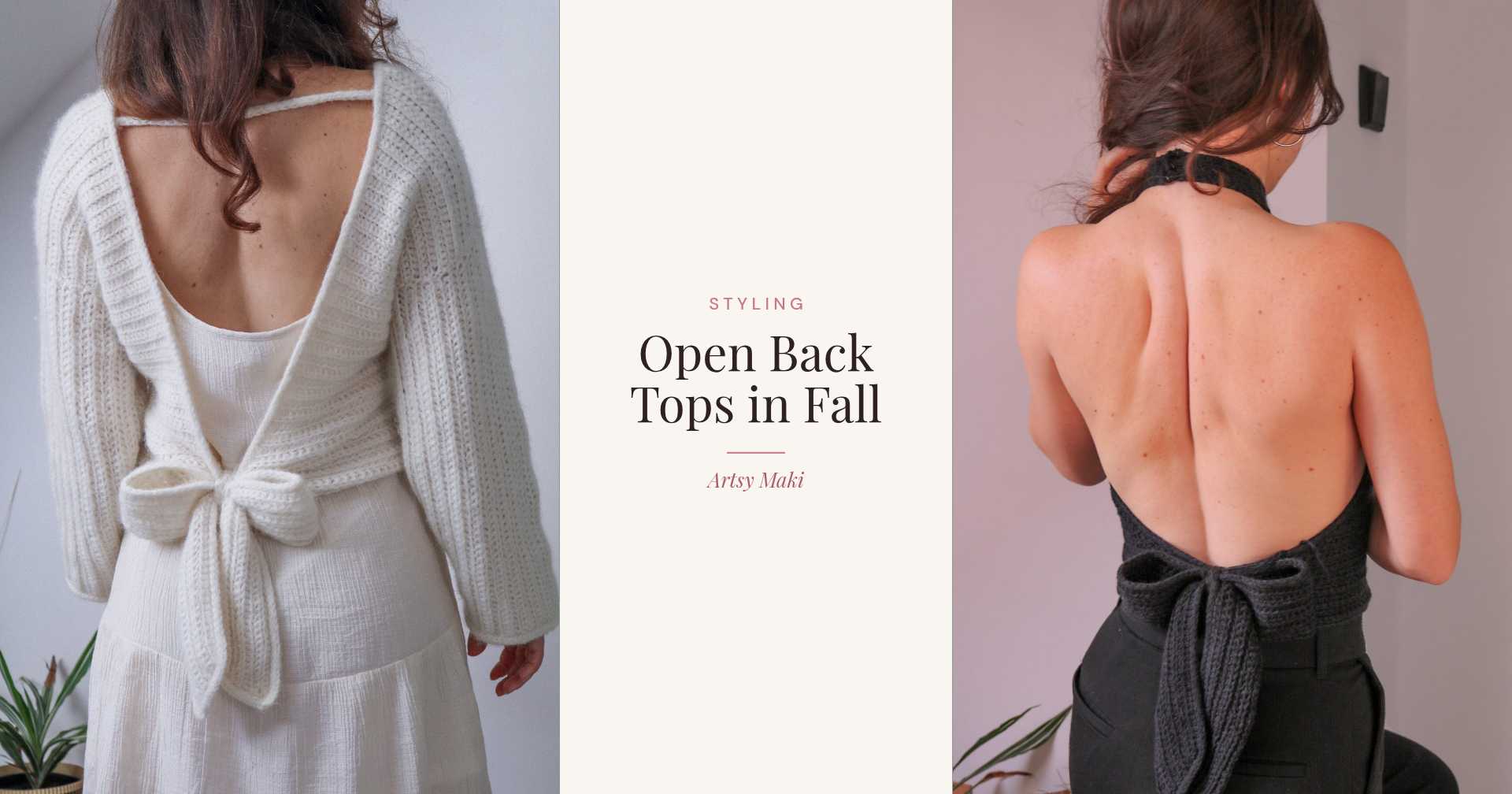
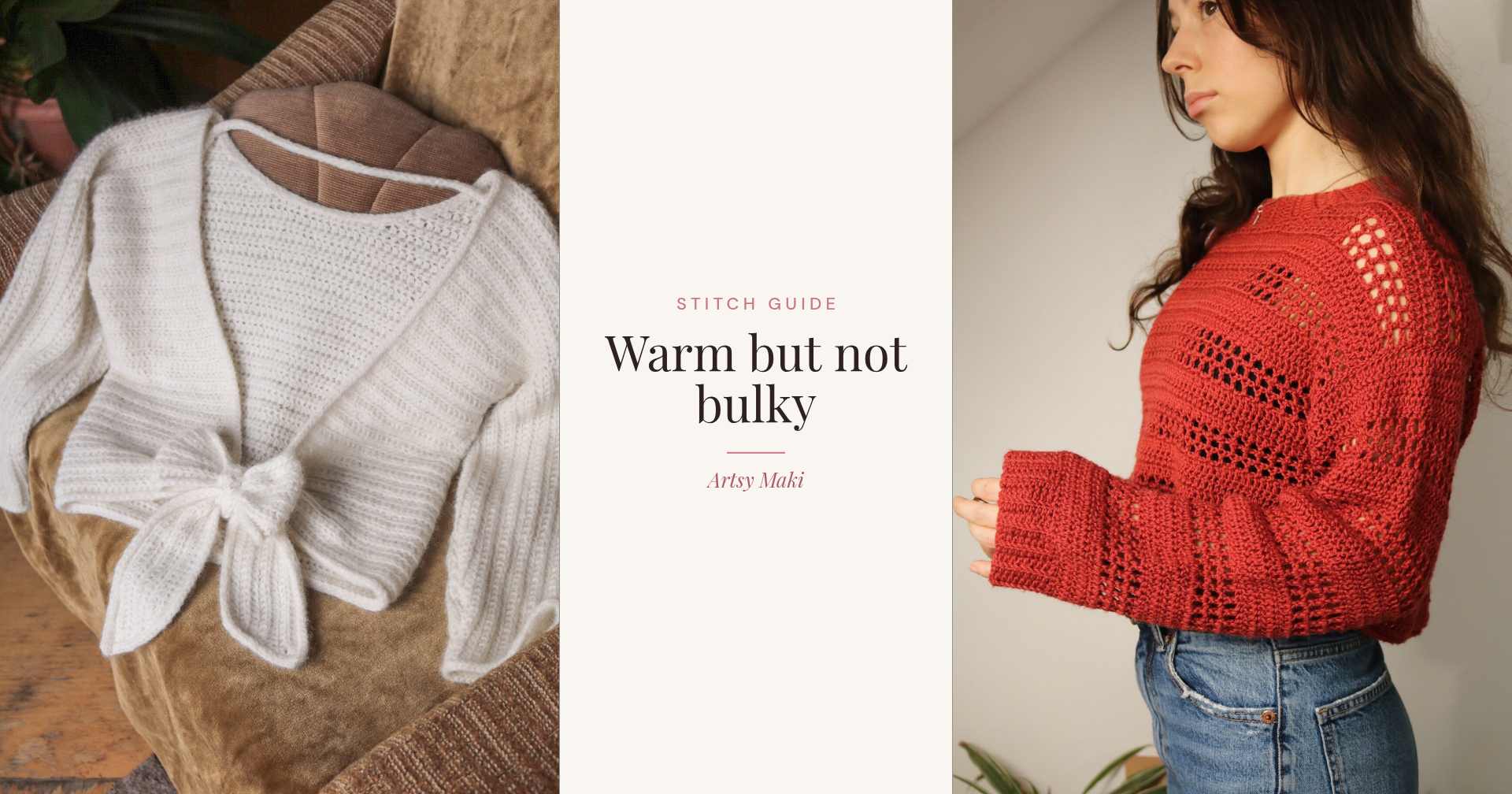
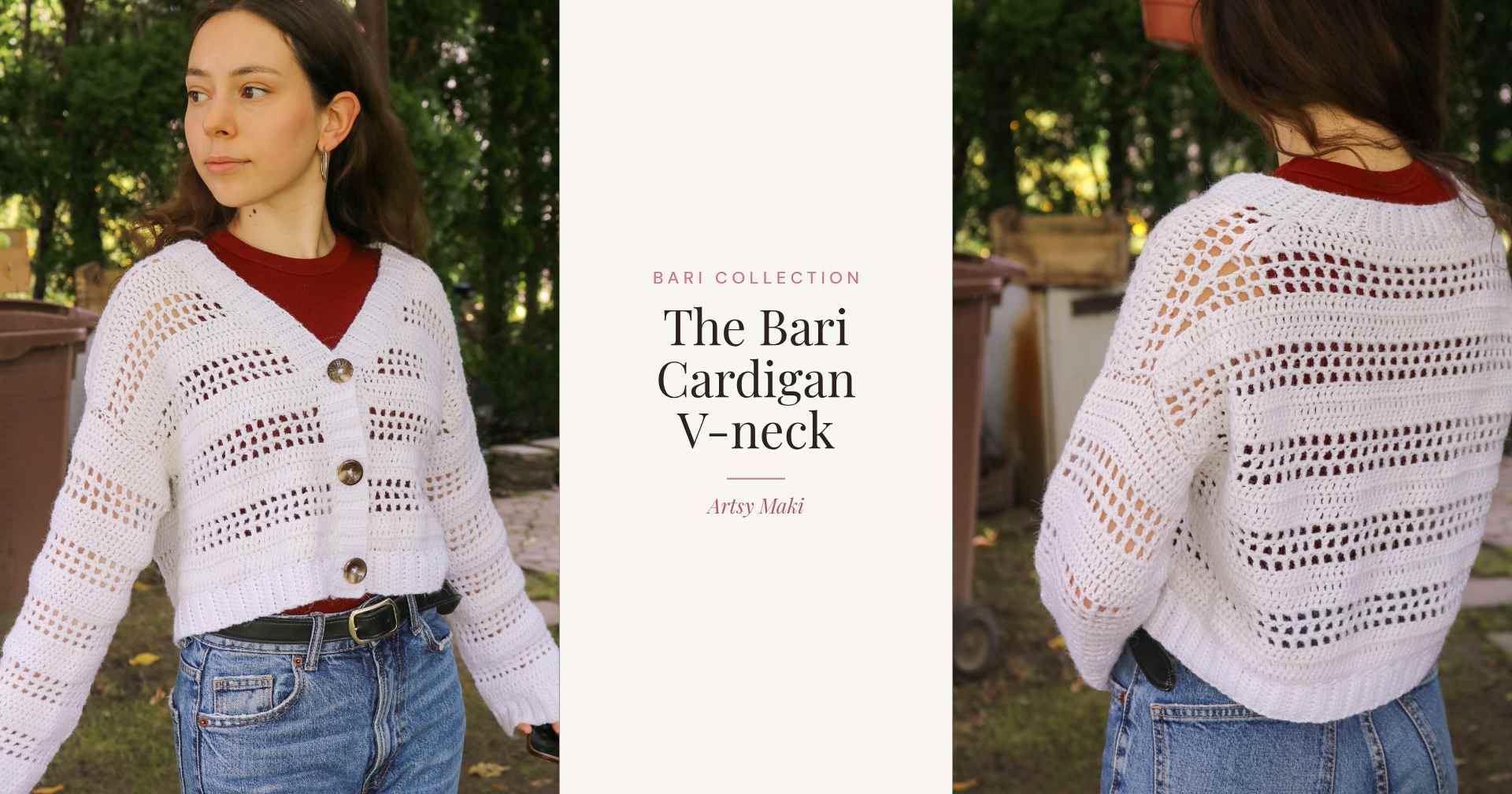
For a garment, the size matters more than the pattern does. A cropped piece in a smaller size will always beat a long line cardigan in a large to the finish line. The Claire Sweater, the Bari Sweater, the Gelato Sweater and the Bari Cardigan all list their own yarn weight and yardage on the product page, and that is what you should count weeks against rather than the general sweater row in my table.
Maki’s tip
Time your gauge swatch. Not just measure it, time it. If a 10 cm square takes you twenty minutes, you now know your actual speed in that exact yarn and stitch, and you can multiply it up against the finished measurements instead of trusting any table on the internet, mine included. It is the only estimate that accounts for how fast you crochet.
Questions I get asked
How many weeks before Christmas should I start a crochet gift?
It depends entirely on what you are making. In DK weight yarn at about an hour of crochet a day, a small accessory can start in the week before Christmas, a hat wants about two and a half weeks, a scarf about two weeks, an adult sweater about seven weeks and a throw blanket closer to three months. Count backward from the day it has to be finished, and add a few days for weaving in ends, blocking and drying.
How many hours does it take to crochet a sweater?
For an average adult size in DK weight yarn, I would budget 30 to 50 hours. A chunky yarn version of the same sweater can come in around half that, and a fingering weight one can easily be double or triple. Simple stitch patterns and cropped shapes sit at the bottom of the range, textured stitches and longer bodies at the top.
What is the fastest crochet gift I can make?
Scrunchies, earrings, coasters and headbands all come in under about four hours, so any of them can be made the week before Christmas. Of my own patterns the Mohair Scrunchie is the fastest, an afternoon from 10 to 15 grams of yarn. If you want maximum impact for minimum hours, a chunky hat is hard to beat.
Is it too late to start a sweater for Christmas?
If you have less than three weeks, I would not start one in DK weight as a gift. In a chunky yarn it is still possible, because the hours roughly halve. What I would not do is start a first attempt at a new construction on a deadline, because that is where the range stops being a range and becomes a January finish.
Does thicker yarn really make that much difference?
Yes, and more than people expect, because the saving works in two directions at once. The stitches get wider and the rows get shorter, so the total stitch count falls with the square of the gauge rather than in proportion to it. Moving from DK to chunky on the same project is roughly a halving of the hours.
Can I speed things up by going up a hook size instead?
A little, and it is not the same thing. A bigger hook with the same yarn gives you a looser, floppier fabric and changes your gauge, so your finished measurements move too. Going up a yarn weight and using the hook that yarn actually wants gives you the time saving without the limp fabric.
What if I only have scrap yarn left?
Scraps are ideal for exactly the projects at the top of the table. The Mohair Scrunchie, the Daisy Earrings and the Honey Pouch were all designed around leftovers, and the Hexagon Bucket Hat is built from small amounts of five different colours. Just remember that every colour change is two more ends to weave in.
One more thing
None of this is a reason to feel behind. A handmade gift that took one evening is still handmade, and most people receiving one have no idea how long anything is supposed to take. Pick honestly from where you actually are on the calendar, not from where you wish you were, and you will finish something you are happy to give.
More quick makes
Browse the full shop for patterns sorted by however much time you actually have left, from a single evening to a full weekend project.