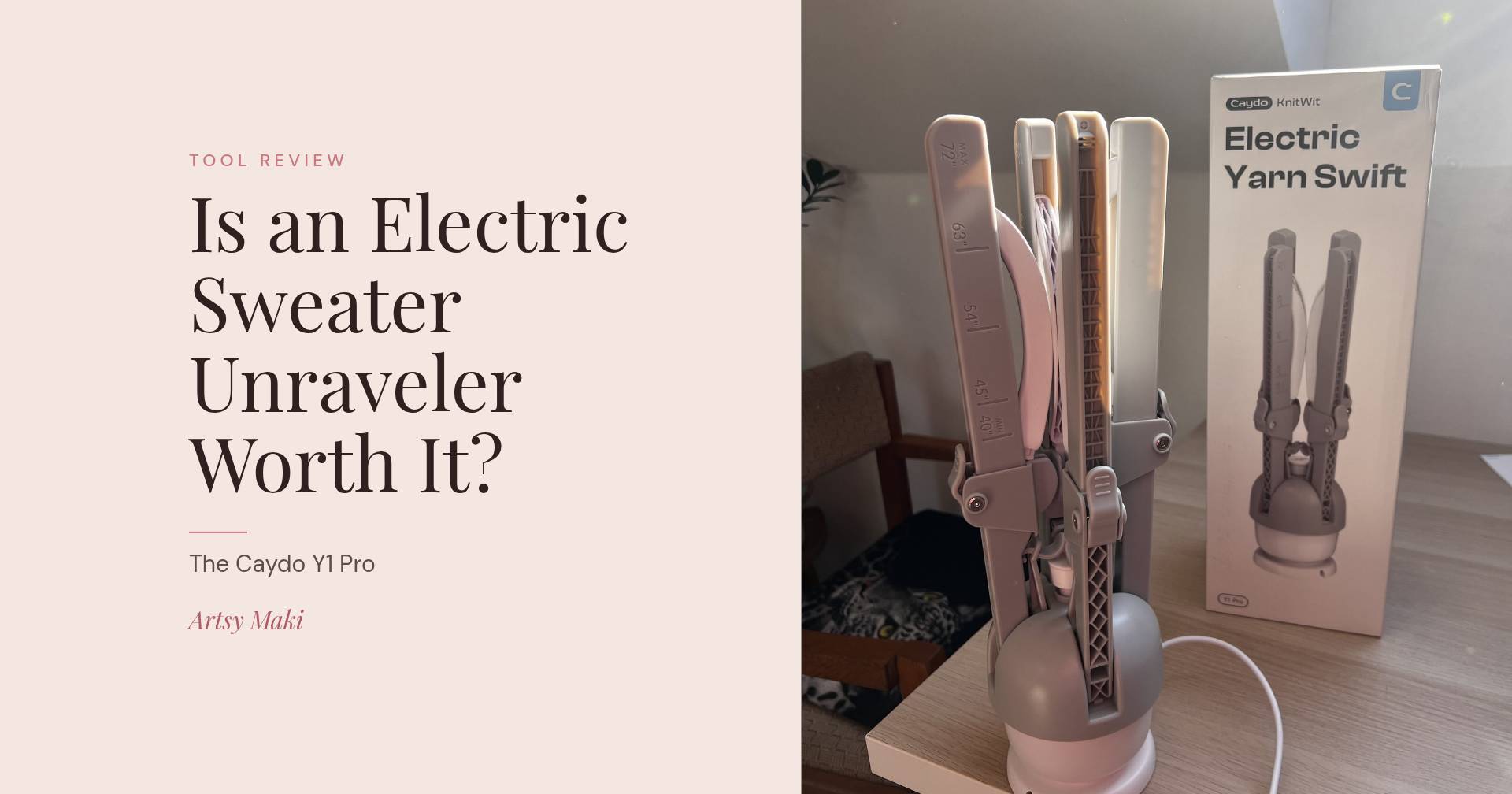
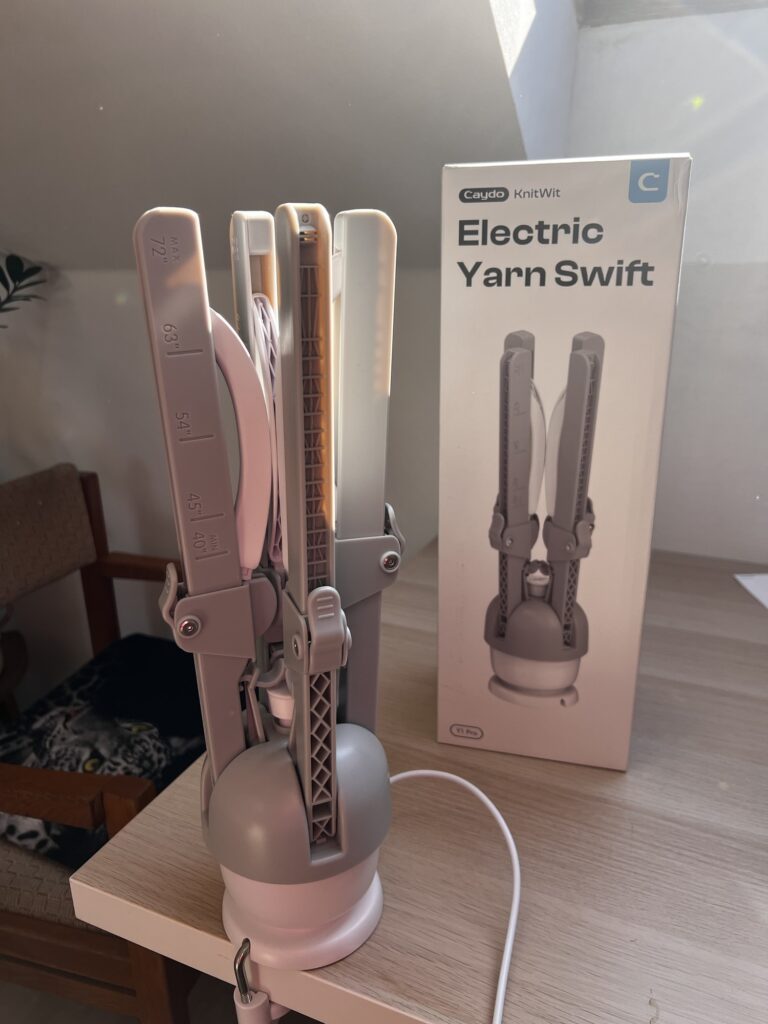
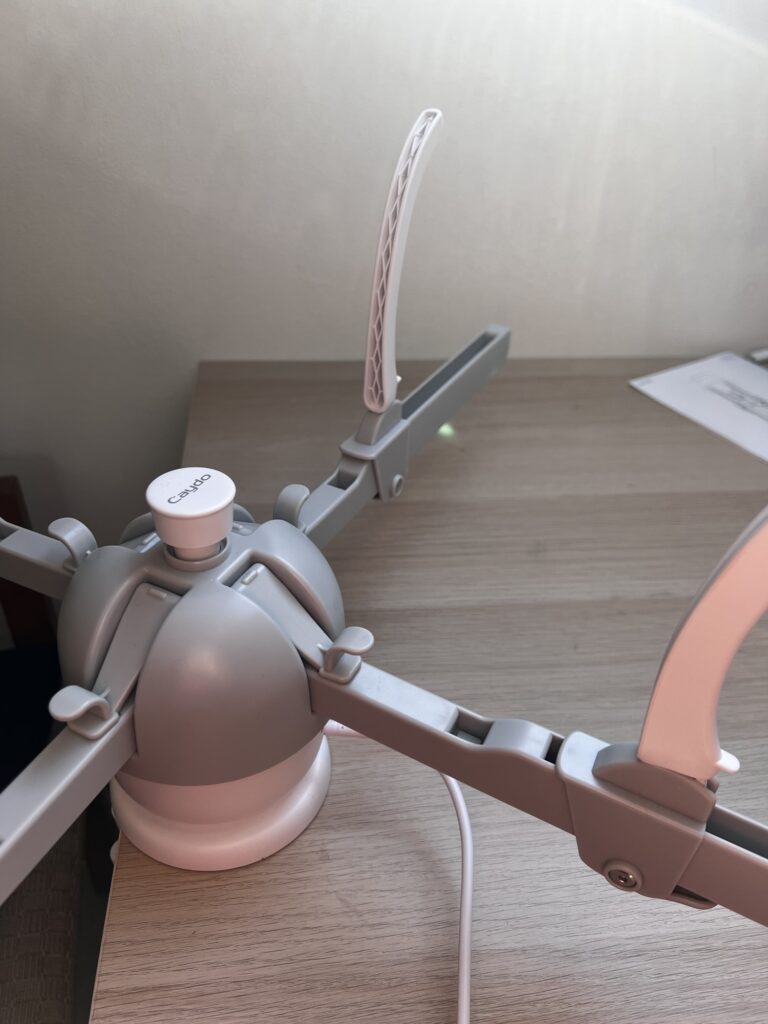
Caydo Y1 Pro a “2-in-1 electric sweater unraveling machine and yarn swift turns an old sweater back into usable yarn without you winding every metre by hand. You clip the sweater’s loose end to the machine, switch it on, and it pulls the knitting out and gathers the yarn as it goes. In plain terms it does two jobs: it unravels, and then it works as a swift.
A swift is the spinning frame that holds a loose loop of yarn, called a skein, while you wind that loop into a ball. That second job is the one people miss when they look at the machine. It does not make a ball on its own. To make yarn cakes or yarn balls, pair it with a yarn winder which is not included. So the full chain is: sweater, then this machine, then a winder, then a ball you can crochet from.
An electric sweater unraveler is worth it if you take apart whole sweaters for their yarn fairly often, and if those sweaters are the smooth, seamed kind it is built for. If you frog the odd thrift-shop jumper once a season, your own two hands do the same job for nothing.
Two things before you read my opinion. Caydo sent me the Y1 Pro in exchange for a reel, so I did not pay for it. The link at the end is an affiliate link, which means I earn a small amount if you buy through it, at no extra cost to you. Neither of those buys a good review, and the thing that genuinely annoyed me is in here with the parts I liked.
If you only read one box
The short version
- It is a 2-in-1 machine: it unravels a sweater under power, then holds the loop of yarn steady like a swift so a winder can pull it into a ball. Caydo describe it as reclaiming used yarn and organising it into skeins.
- It is too fast for sticky yarn. On the slowest setting it still took my thin angora faster than I could catch a snag. With mohair, unspun singles or some alpaca, the strand can break before you have a chance to stop it.
- Caydo say it works best on smooth, seamed sweaters in cotton, acrylic or a blend. That matches what I found.
- No yarn winder is included, so you still need a separate winder to turn the skein into a ball or a cake.
- What I liked most: going straight from electric unravelling to letting my winder do the pulling, with this machine just holding the yarn steady in between.
- It folds back into its own box, which my Caydo winder and i-cord maker will not do unless I unscrew them every time. It is still bulky, but I can actually put away.
- Worth it if you reclaim yarn from sweaters often. Not worth it for the occasional jumper, or for a stash of fuzzy yarn.
The upside of the machine over your hands is tidiness as much as speed. Caydo credit the rotating frame and yarn guide with keeping “a cleaner yarn path, reducing loose piles, twisting, and tangling”. Unravelling by hand tends to leave a growing heap of yarn on the floor that catches on itself. This keeps the strand under a little control as it comes off, which matters more than it sounds, because a tangle in reclaimed yarn is slow to pick out.
Specifications and what is in the box
Caydo do not put the numbers on their product page, so these come from the manual in the box. The machine is sold under the name Electric Yarn Swift, model Y1 Pro.
| Spec | Y1 Pro |
|---|---|
| Rated input | 5V, 3A |
| Rated power | 15 W |
| Material | ABS and POM plastic |
| Skein setting | 40 to 72 in, about 102 to 183 cm |
| Modes | Electric and manual, changed with a knob |
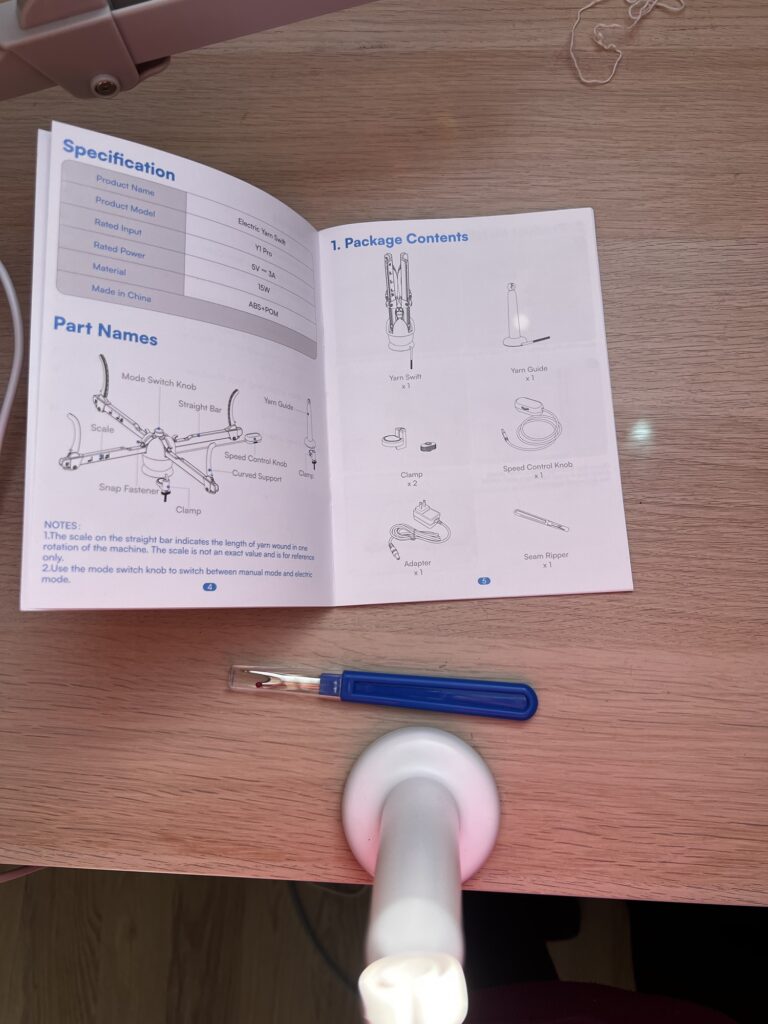
Six things come in the box:
- The yarn swift itself
- A yarn guide, the upright post the strand runs through on its way in
- Two clamps, one for the swift and one for the yarn guide
- The speed control knob
- A mains adapter
- A seam ripper
The seam ripper is the one I did not expect. Unpicking the seams is the first job on any sweater you are about to unravel, and it is the step people end up doing with nail scissors. Putting one in the box costs Caydo very little and means you can start on the sweater the day it arrives.
Setting it up and storing it
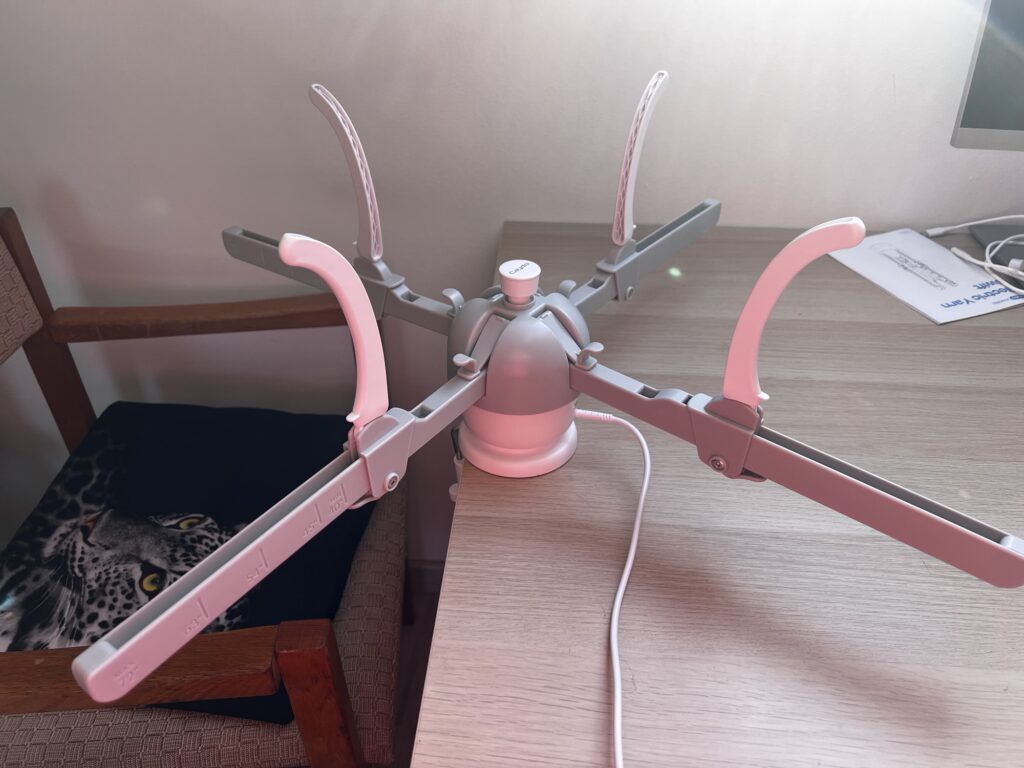
Setup was easy and storing it is easier than I expected. The arms fold in against the base, and the whole machine goes back into the box it arrived in. That sounds minor until you own the other two Caydo machines. My yarn winder and my i-cord maker both have to be unscrewed from their clamps before they will fit back in their boxes, so in practice they live out on a shelf. This one folds up and goes away.
It is still bulky. Folded it wants a shelf rather than a drawer, and the box takes up real room. But it is the first of the three that I actually put away after using it.
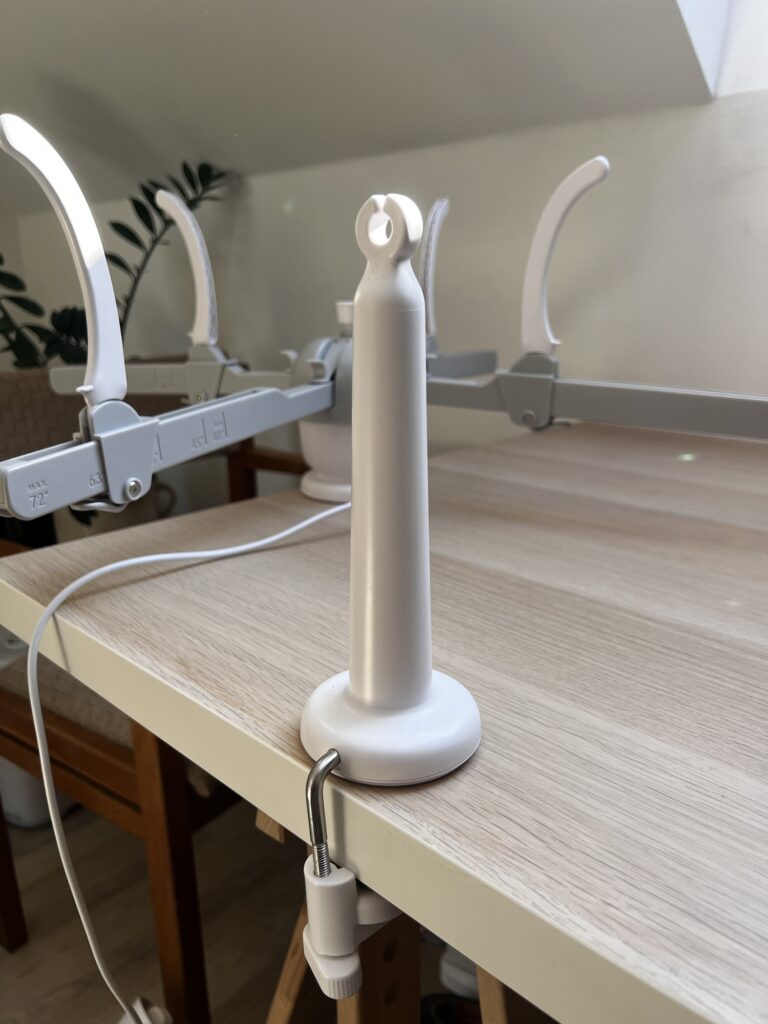
One setting is worth understanding before you start, because it decides how your yarn comes off. The straight arms slide in and out, and the scale printed along them sets how much yarn the machine winds on each turn. The range runs from a minimum of 40 in to a maximum of 72 in, which is about 102 cm to 183 cm. Set it long and you get a bigger, looser skein; set it short and the loop is smaller. The manual adds that the scale “is not an exact value and is for reference only”, so treat it as a guide rather than a measurement.
Which brings me to the complaint I have made about Caydo before. That scale is printed in inches and nothing else. There is no centimetre marking anywhere on the arms, and the manual is the same. I do not think in inches, and most of the people reading this do not either. A second number in brackets would cost them nothing.
Which sweaters can you unravel for yarn?
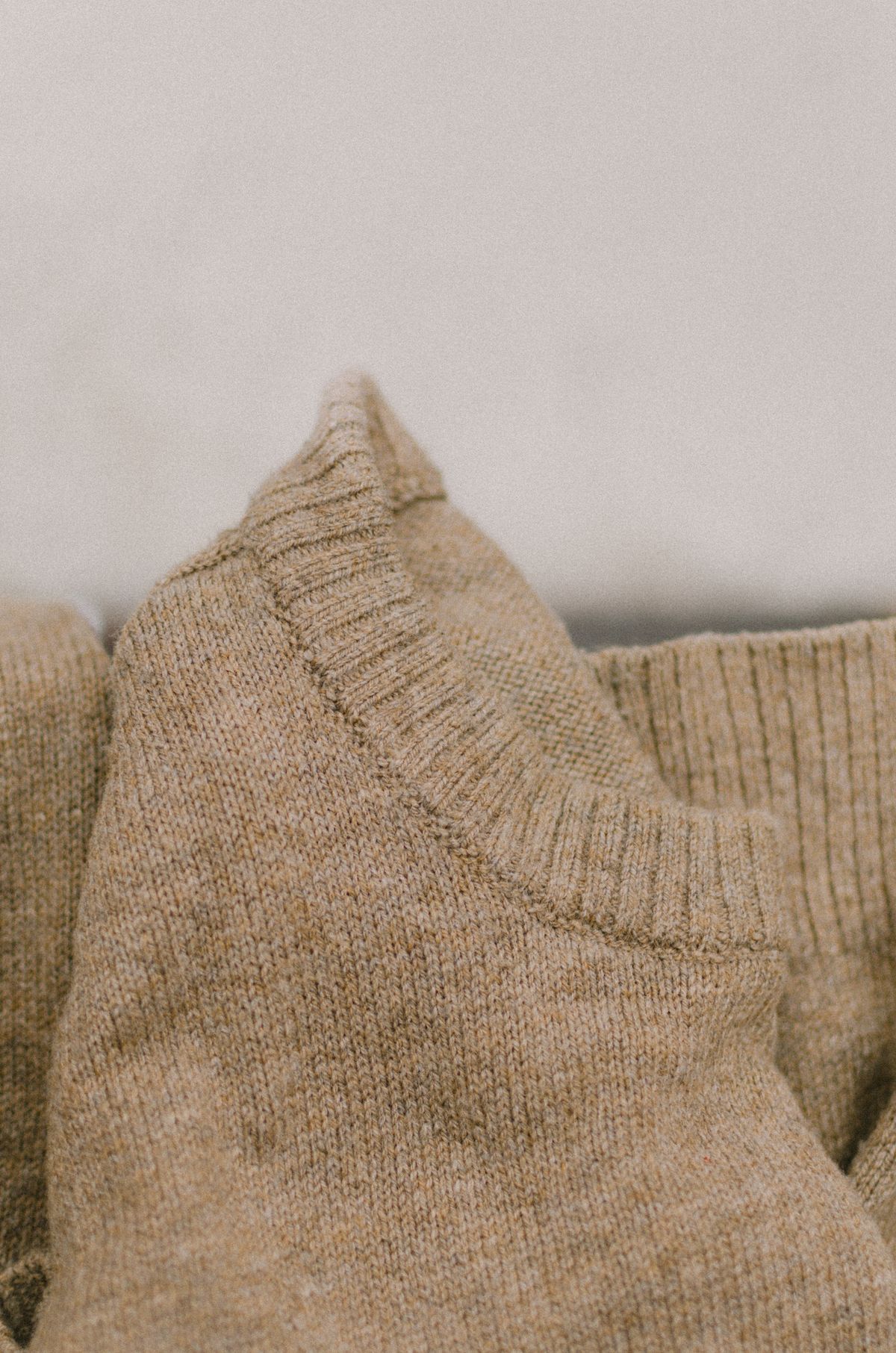
Only sweaters that were knit to shape and then seamed together, in a yarn that is not felted or fuzzy. Turn the sweater inside out and look at the seams before you buy it or start on it. This one check decides whether you get usable yarn or a bag of short scraps, and it is the same whether you unravel by hand or by machine.
A sweater knit to shape is called fully fashioned: each piece was knitted to its final outline, then the pieces were joined. Undo the seam and the knitting unravels in one long strand, exactly like your own hand-knits. A cut-and-sew sweater is different. It was cut out of a big sheet of knit fabric and then sewn, so the rows were sliced through and the yarn is already in short pieces. You want a sweater knit to shape, rather than made with knitted fabric that was cut to shape.
The seam tells you which one you have. A seam you can unravel looks like a little column of Vs, or a crochet chain, that unzips when you pull the right end. A cut-and-sew seam looks like the inside of a T-shirt, an overlocked edge of thread whipping over the raw cut. If you see that overlock, put the sweater back. Felted fabric will not come apart at all, so skip anything that has gone dense and matted.
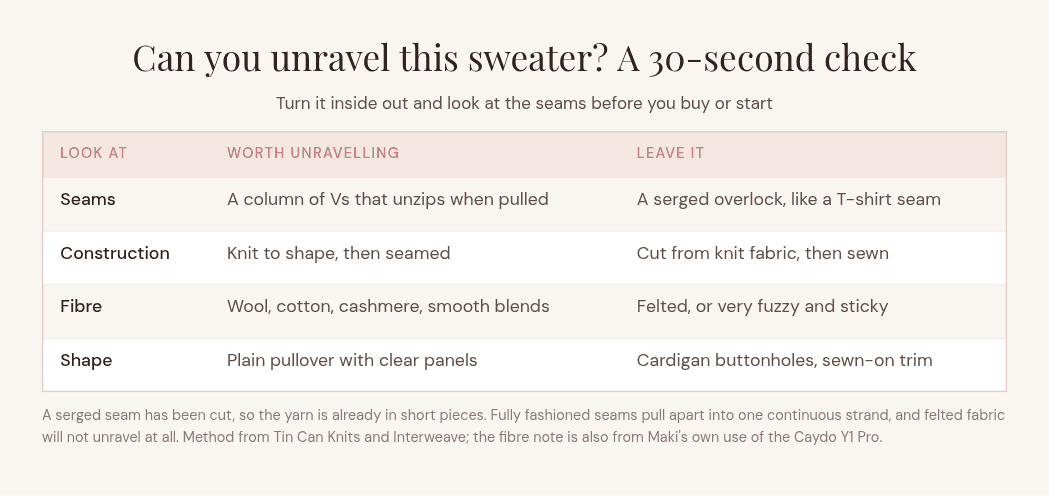
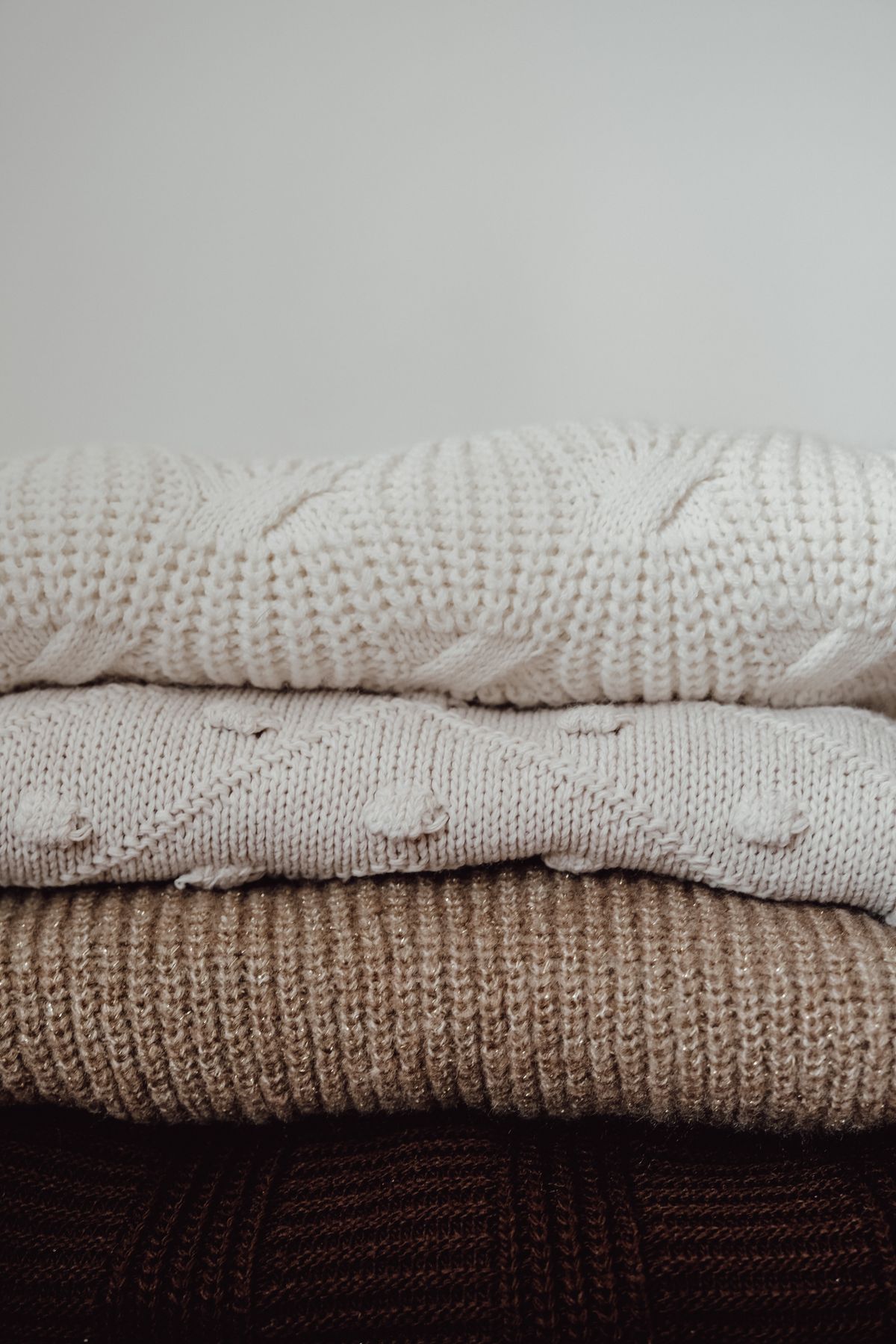
Fibre matters as much as construction. Wool, cotton, cashmere and smooth blends reclaim well and are the whole reason people do this. A sweater gives back the yarn it was knitted from, and for an adult jumper that is a lot: size M of my own Bari Sweater takes 450 g, and a reclaimed jumper of that size hands you as much again for the cost of one second-hand find. Smooth cotton is the easiest to reclaim, and it is also what the machine handles best. What reclaims badly is anything fuzzy or sticky, and that is where this machine struggles, which I come to below.
Do you need a machine to unravel a sweater?
No. Your hands unravel a sweater perfectly well, and the reclaimed yarn is the same either way. A machine saves time and your patience, not quality. So the honest question is not whether it works, but whether the time it saves is worth the outlay for how you actually craft.
Doing it by hand is slow. You unpick the seams, then wind the yarn off the knitting into a skein, one sweater’s worth at a time. One account of the full job, unpicking, unravelling and winding, put it at around four and a half hours for a single sweater. That is the number the machine is aimed at: Caydo say the powered version saves “up to 60% of your working time”, which is their figure rather than a stopwatch of mine, but I would estimate it is about right.
Where the time saving is real is if you reclaim yarn in volume: you buy jumpers to unravel, you unpick a stack of them at a time, or your hands and shoulders have stopped enjoying the winding. If you frog one sweater a year, the machine is solving a problem you do not really have, and a plain umbrella swift plus a hand crank winder gets you there for far less.
How fast is it, and can you slow it down?
It has a speed control, and even the slowest setting was too fast for the yarn I tried it on. Caydo give the Y1 Pro what they call a stepless speed, meaning you can dial it anywhere across the range rather than picking fixed steps. So there is a slowest setting. On mine, that slowest setting still ran faster than I could react to a problem in the yarn.
I tried it with a thin angora. That is not what the machine is meant for, and it is where its one real weakness shows. Angora is fuzzy and the fibres cling to each other. When a fuzzy or sticky yarn catches on itself, the machine keeps pulling, and the strand snaps before you can reach the switch. I would expect the same from mohair, from unspun singles, and from some alpaca: anything with a halo that grabs the strand next to it. On a hand crank you feel that resistance and stop. Here you hear the sound change and it has already broken.
None of that is a fault in the machine so much as a mismatch. Caydo say plainly that it is for “smoother yarns such as cotton, acrylic, or blends”, and they recommend testing a small section first. On a smooth cotton jumper the speed is a help. On a mohair one it is a liability, and no setting I found made it safe. If most of your stash is fluffy, this is not the tool.
There is one more option, which I found in the manual rather than by using it. The knob on top of the hub switches the machine between electric and manual mode, so the swift can be turned by hand instead of under power. For a sticky yarn that is the obvious thing to try, because by hand you feel the catch coming the way you do on a hand crank. I have not run a whole mohair sweater through it that way, so I cannot tell you it solves the problem, but it is there and it costs nothing to try before you give up on a fluffy jumper.
What helps, when the yarn is borderline:
- Test a short length first, as Caydo suggest. A metre tells you whether the yarn feeds cleanly or grabs.
- Run the strand over your fingers as it feeds, so a lump or a sticky patch reaches your hand before the machine.
- Do the fuzzy sweaters by hand. A halo yarn is slow either way, and by hand you keep the control that stops it breaking.
Using it with a yarn winder
The Y1 Pro makes a skein, and a skein is not something you can crochet from. To get a ball or a cake you feed that skein into a separate winder, and this is the part of the machine I liked most. Once the sweater is unravelled, the same frame that pulled it apart sits and holds the loop of yarn steady, turning freely, while the winder pulls the strand off it and builds the ball.
That is the job a swift normally does, and here you get it as part of the same machine, powered on the way in and still holding steady on the way out. It made the switch from unravelling to winding feel like one job instead of three. You do still need the winder, though. If you do not own one, that is another purchase to plan for, and I wrote up whether an electric winder is worth it separately, including why a hand crank is enough for most people.
What to do with reclaimed yarn after unravelling
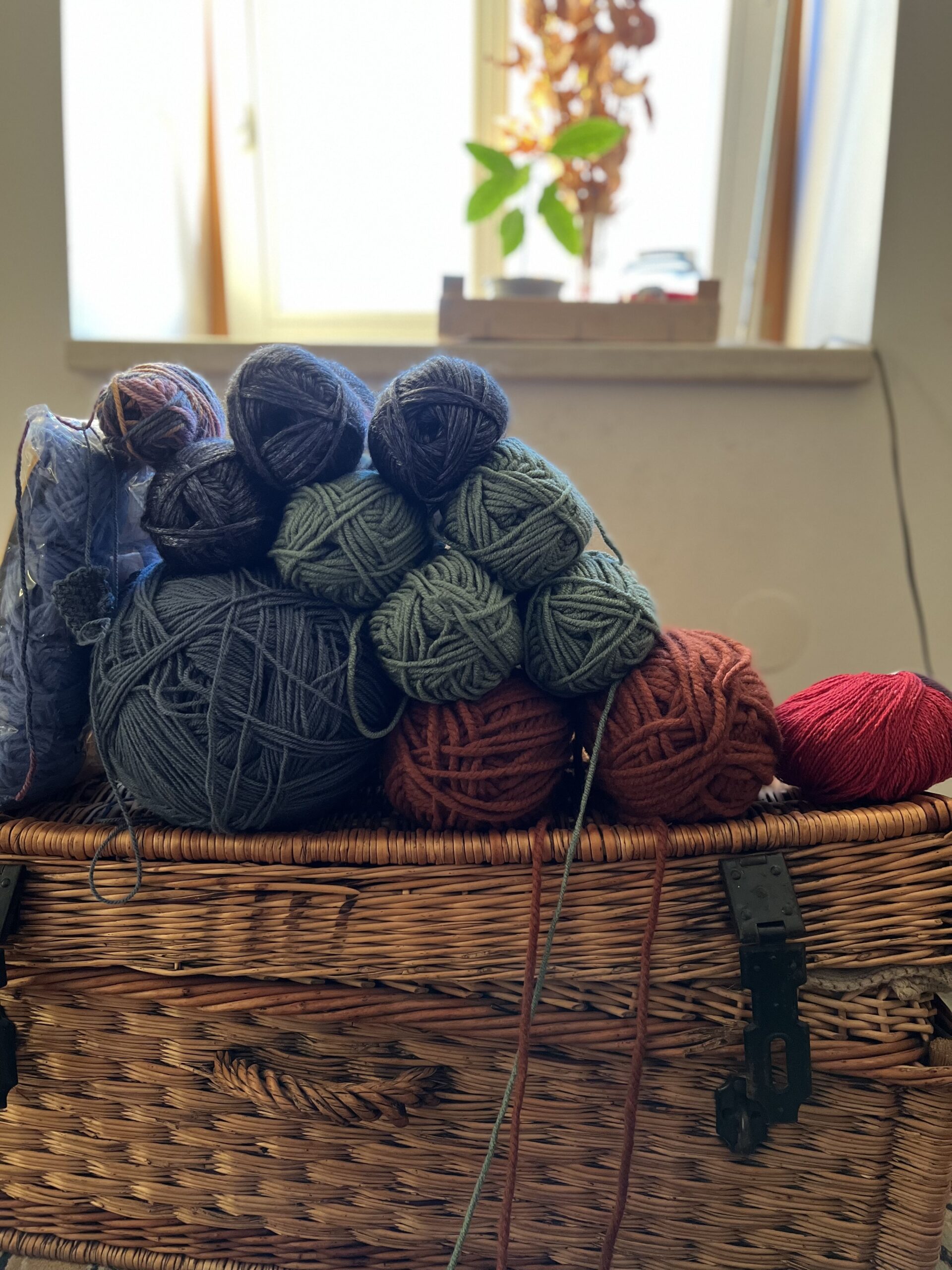
Reclaimed yarn comes off in tight waves, like crimped hair, because it has spent a long time bent into stitches. Do not crochet with it straight away. Wind it into a loose skein, wash or steam it, and let it dry, and it relaxes back to a usable strand. Skip this and your tension will fight the kinks the whole way. I steamed the yarn when it was on the unwinder, let it dry and wound it on my yarn winder straight from the unwinder.
Another method is wind the yarn into a loose loop and tie it in three or four places so it cannot tangle. Soak it in cool water for twenty to thirty minutes, or hold a steam iron just above it without pressing down. Then hang the skein to dry with a light weight on the bottom, a clothes hanger or a small bottle, so the last of the crimp pulls out. This is the same idea as blocking, which just means wetting fibre and letting it dry in the shape you want.
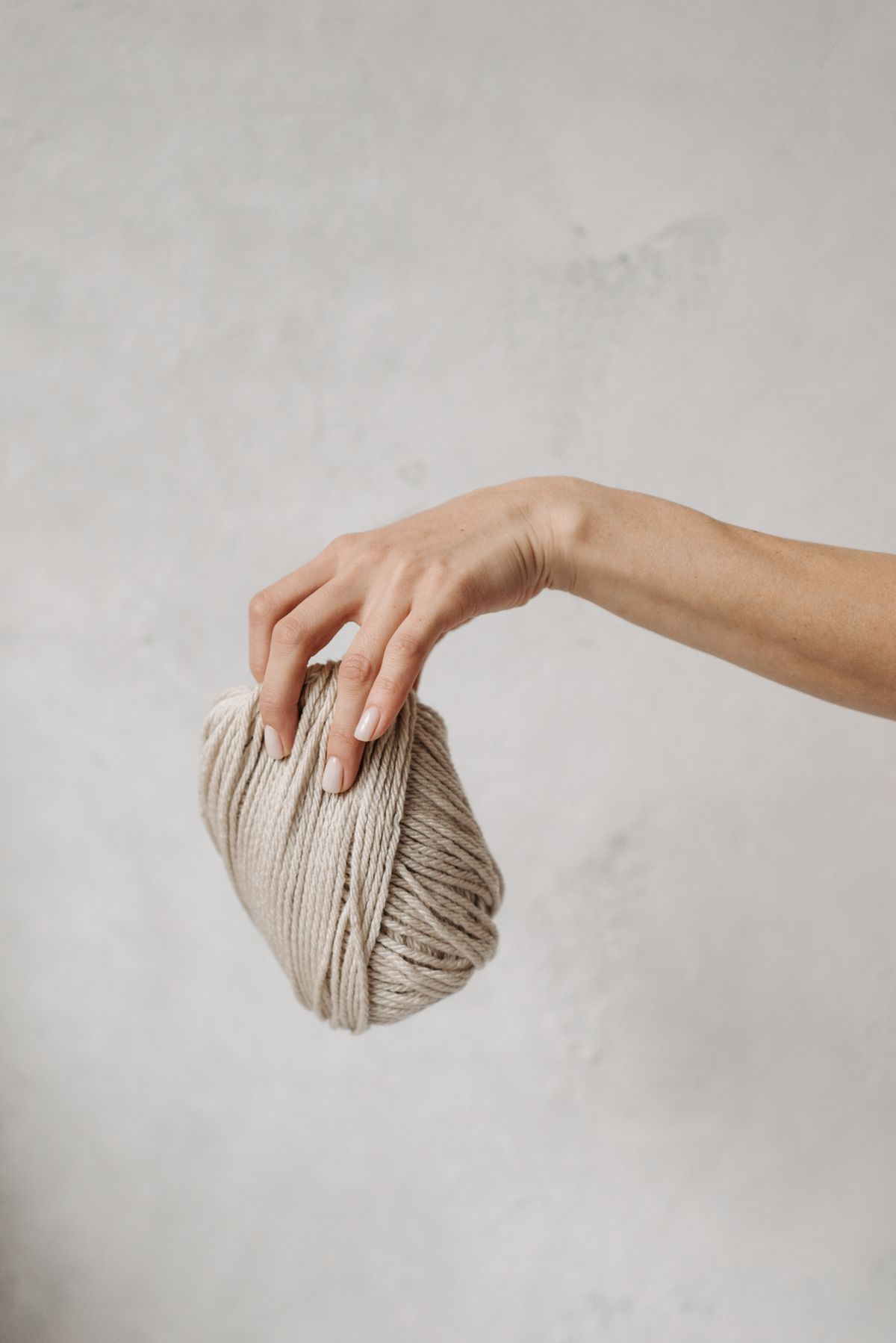
One care note, because reclaimed yarn is usually old. Squeeze the water out, do not wring or rub, especially with wool. Agitation is what felts wool, and a felted skein is a lost skein. If the reclaimed yarn is very fine and you find it fiddly to work with, holding two strands together or running it through an i-cord maker can turn it into something chunkier, which I covered in making thin yarn chunky.
Maki’s tip
Judge the yarn after you relax it, not while it is still kinked. A crimped strand looks thinner and rougher than it really is, and I have nearly thrown out yarn that turned out lovely once it had a wash and a dry. Wind a small skein, soak it, dry it with a little weight, and only then decide what it wants to become. If it is a smooth cotton or wool, the machine will get you to that skein fast. If it is fuzzy, do that first sweater by hand and save yourself the broken ends.
Who should buy the Caydo Y1 Pro, and who should not
Buy it if you reclaim yarn from sweaters regularly and those sweaters are the smooth, seamed kind:
- You unravel sweaters often, for the yarn or to recycle, and the hand winding has stopped being fun.
- You buy cotton or wool jumpers to reclaim, the fully fashioned, seamed kind that unravels in one strand.
- You want the unravelling and the swift in one machine, and you already own or plan to buy a winder to make the ball.
Give it a miss if:
- You reclaim the odd sweater. Your hands and a cheap swift do the same job, and the yarn is identical.
- Your stash is mostly fuzzy. Mohair, angora, unspun singles and hairy alpaca fight the speed, and it will break them.
- You expected it to make a ball. It makes skeins. The winder is a separate machine and a separate cost.
Questions I get asked
Does it come with a yarn winder?
No. Caydo state plainly that a yarn winder is not included. The Y1 Pro unravels the sweater and organises the yarn into a skein, and to turn that skein into a ball or a cake you feed it into a separate winder. Budget for one if you do not already own it.
Can it unravel any sweater?
No, and neither can your hands. It only works on a sweater that was knit to shape and then seamed, called fully fashioned. Turn it inside out: if the seams look like a chain of little Vs that unzips, it will unravel. If they look serged, like the inside of a T-shirt, the yarn was cut into short pieces when the sweater was made and there is nothing to reclaim. Felted sweaters will not unravel at all.
Does it work with mohair or fuzzy yarn?
In my experience, no. Caydo say it is for smoother yarns such as cotton, acrylic and blends, and that matches what I found. Fuzzy and sticky yarns, mohair, angora, unspun singles and some alpaca, cling to themselves and catch, and the machine keeps pulling until the strand breaks. I could not find a slow enough setting to make it safe. Do those by hand.
Can you slow it down?
It has a stepless speed control, so you can set it anywhere across its range rather than in fixed steps. There is a slowest setting. On a smooth yarn that range is plenty. On a sticky yarn, I found even the slowest setting ran faster than I could stop it when the strand caught, so speed control is not the same as being able to make it gentle. The manual also lists a manual mode, switched with the knob on top, which lets you turn the swift by hand. I have not tested that on a sticky yarn, but it is the setting to reach for if the powered speed is what is breaking your strand.
Do I need a separate swift as well?
No. The Y1 Pro is the swift. After it unravels the sweater it holds the loop of yarn and turns while your winder pulls the strand off it, which is exactly what a swift does. What you still need alongside it is the winder, the machine that actually forms the ball or cake.
Which plug version should I order?
Caydo list US, EU and UK versions as separate options, so choose the one for your country rather than taking whatever is preselected. Ordering into Czechia or elsewhere in the EU, that is the EU plug. It is an easy step to click past.
Is unravelling a thrift sweater actually worth it?
For the right sweater, yes. A large fully fashioned jumper in wool, cotton or cashmere gives back all the yarn it was knitted from, often several hundred grams, for the cost of one second-hand find, which is far less than the same yarn bought new. The catch is the time and the sorting: you have to find a seamed, unfelted sweater in a fibre you want, and then put in the hours to take it apart. The machine shortens the hours. It does not do the choosing for you.
Would I buy one
For the kind of yarn it is built for, I would keep it. On a smooth cotton or wool jumper it takes the slow, dull part of reclaiming yarn and makes it quick, and having the swift built into the same machine meant I was not moving the yarn from tool to tool. The build feels solid and it was simple to run.
But the recommendation comes with its limits attached. It will not make a ball, so you are buying a winder too. It cannot handle the fuzzy yarns I reach for most, because it is faster than I can catch a snag and it breaks them. And if you only reclaim a sweater now and then, your hands already do this for nothing. Buy it for the pile of smooth, seamed sweaters you mean to reclaim. Not for the occasional one, and not for the mohair.
The machine, and what to pair it with
Caydo sent me this machine in exchange for a reel. The first link is an affiliate link, so I earn a small amount if you buy through it, at no extra cost to you. The second goes to my review of the winder you will need alongside it.